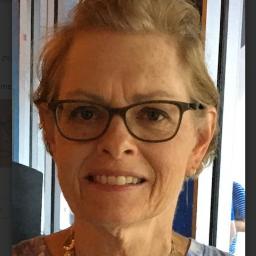
- Experience 5 years
- Languages English
- Sessions Online
- Client-centered approach
- Focus on practical steps
- Works with grief and anxiety
About Caryl
She sees clients as the experts in their own lives and builds on each person's strengths. Sessions tend to focus on clear goals, manageable actions, and steady progress rather than long lectures. Caryl aims to make the first steps feel doable and less scary.
Her approach centers on listening closely and responding to what each person needs. She helps people work through loss, motivation issues, and feelings of isolation and shame. Conversations may include exploring attachment patterns, control concerns, or questions about life purpose and midlife transitions.
Caryl also supports people facing pregnancy and childbirth concerns, women's issues, and mood challenges. She uses Client-Centered Therapy to create a space where people can talk honestly and plan realistic next steps. Her style is warm, direct, and practical.
If you are unsure where to begin, she encourages taking the first small step. Start with a short matching questionnaire and schedule a session to see if her way of working feels right for you.
How Client-Centered Work Translates to Online Therapy
Client-Centered Therapy focuses on listening, empathy, and meeting each person where they are. The therapist follows the client's lead, reflects what they hear, and helps people name goals and next steps. This approach can help with anxiety, depression, grief, and feelings of isolation by making sure the client's experience guides the work.Because the practice centers on the client's needs, sessions are planned together. The therapist will help you figure out which ways of working feel most helpful. That might include trying different session rhythms or conversation styles until you find what fits your goals and preferences.
Confirm current session options before booking, since formats are not specified in the biography. Online therapy can make it easier to fit appointments into a busy life by reducing travel time and allowing sessions during a lunch break or between activities. It can also let some people choose shorter check-ins or phone calls when they prefer less time on camera. The practical goal is to make therapy fit daily life so steady progress can happen without added scheduling strain.
License and NPI
| LCSW | Florida · No. SW21386 |
|---|---|
| NPI | 1033447099 |
As shown on the therapist's profile. You can check a license with the state board and an NPI with the national registry.
Areas of expertise
Additional focus areas
Therapeutic approaches
Experience
5+ years
Credentials
Florida
Languages
English
Frequently asked questions
What concerns does Caryl commonly help with?
Caryl helps people address stress, anxiety, depression, grief, and low self-esteem. She also works with issues like isolation, attachment and control concerns, guilt and shame, and life transitions.
How would you describe her therapy style?
She uses a Client-Centered Therapy style that emphasizes listening and responding to each person's needs. Sessions focus on clear goals, small steps, and practical change.
What kind of background does she have?
Caryl has five years of professional experience supporting people with mood issues, motivation struggles, and losses. Her work emphasizes strengths and steady progress.
Where is she licensed and practicing?
She is licensed as an LCSW in Florida and practices with that credential. Sessions are provided from her Florida practice context.
Which languages are supported for sessions?
Sessions are offered in English.
Can people outside the United States work with her?
She is not accepting international clients at this time and works with clients within her licensed jurisdiction.
How are sessions paid for and what does it cost?
Cost varies with location and therapist availability; sessions use a subscription model that can be canceled at any time. Exact pricing is provided during the matching and scheduling steps.
What steps are needed to begin sessions?
Begin by selecting the Start Therapy button, completing a short matching questionnaire, and then scheduling based on therapist availability.