
Dr. Natisha Davis-Wilson
LPCLouisiana · 15 yrs exp
Compassionate counselor for life transitions
Stress, Anxiety · Trauma and abuse · Grief · Self esteem · +1 more
Read profileTherapists in the United States, the United Kingdom and Australia
Need to talk to someone now?Therapist listings are provided by BetterHelp. We will earn a commission at no extra cost to you if you use our links to buy.
This page groups profiles of clinicians who list Women's Issues alongside concerns such as loneliness and disconnection. Use listed location, approaches, degrees and languages to compare professionals and decide which profiles to explore further.
Louisiana · 15 yrs exp
Compassionate counselor for life transitions
Stress, Anxiety · Trauma and abuse · Grief · Self esteem · +1 more
Read profile
Alabama · 17 yrs exp
Compassionate counselor focused on practical change
Stress, Anxiety · Addictions · Grief · Anger · +1 more
Read profile
Oklahoma · 30 yrs exp
Compassionate counselor focused on strengths
Stress, Anxiety · Family · Trauma and abuse · Grief · +6 more
Read profile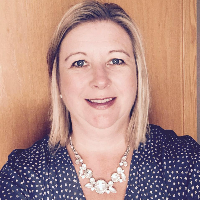
Minnesota · 3 yrs exp
Compassionate psychologist focused on practical change
Stress, Anxiety · Addictions · Relationship · Trauma and abuse · +8 more
Read profile
Michigan · 20 yrs exp
Compassionate social worker for adults
Stress, Anxiety · Trauma and abuse · Grief · Depression · +1 more
Read profile
South Dakota · 8 yrs exp
Practical support for stress and life change
Stress, Anxiety · Relationship · Trauma and abuse · Career · +1 more
Read profile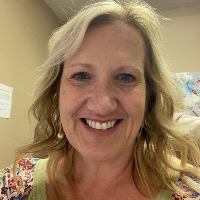
Kentucky · 9 yrs exp
Practical, goal-focused therapy with clear steps
Stress, Anxiety · Relationship · Self esteem · Depression · +6 more
Read profile
Michigan · 10 yrs exp
Helping people find steady steps forward
Stress, Anxiety · Relationship · Family · Trauma and abuse · +9 more
Read profile
North Dakota · 31 yrs exp
Compassionate LCSW with decades of experience
Stress, Anxiety · Relationship · Trauma and abuse · Grief · +1 more
Read profile
United Kingdom · 11 yrs exp
Compassionate counsellor for life transitions
Stress, Anxiety · Relationship · Trauma and abuse · Self esteem · +11 more
Read profile
United Kingdom · 15 yrs exp
Kind, client-centred counselling for life changes
Stress, Anxiety · Relationship · Trauma and abuse · Depression · +1 more
Read profile
Florida · 10 yrs exp
Compassionate counselor for life transitions
Relationship · Family · Parenting · Depression · +5 more
Read profile
New Jersey · 25 yrs exp
Calm, practical support for life changes
Relationship · Trauma and abuse · Self esteem · Depression · +1 more
Read profile
United Kingdom · 7 yrs exp
Supportive counsellor helping people through life changes
Stress, Anxiety · Trauma and abuse · Grief · Self esteem · +1 more
Read profile
New York · 25 yrs exp
Compassionate, practical therapy for life transitions
Stress, Anxiety · Relationship · Trauma and abuse · Grief · +1 more
Read profile
United Kingdom · 5 yrs exp
Compassionate counsellor blending person-centred care
Career · Coping with life changes · Coaching · Stress, Anxiety · +11 more
Read profile
United Kingdom · 3 yrs exp
Experienced psychotherapeutic counsellor for life transitions
Stress, Anxiety · Relationship · Trauma and abuse · Grief · +6 more
Read profile
United Kingdom · 10 yrs exp
An empathetic counsellor blending listening and practical change
Stress, Anxiety · Trauma and abuse · Grief · Self esteem · +6 more
Read profile
New York · 25 yrs exp
Experienced New York LCSW focused on connection
Relationship · Grief · Stress, Anxiety · Depression · +1 more
Read profile
United Kingdom · 7 yrs exp
Calm, client-centred counselling for life changes
Stress, Anxiety · Relationship · Grief · Self esteem · +4 more
Read profile
United Kingdom · 3 yrs exp
Calm, practical support for loneliness and strain
Relationship · Self esteem · Stress, Anxiety · Grief · +4 more
Read profile
United Kingdom · 6 yrs exp
A calm person-centred counsellor
Relationship · Grief · Self esteem · Depression · +5 more
Read profile
United Kingdom · 9 yrs exp
Supportive counsellor using talking and creative work
Stress, Anxiety · Grief · Self esteem · Depression · +8 more
Read profile
United Kingdom · 3 yrs exp
Gentle counsellor for isolation and stress
Stress, Anxiety · Trauma and abuse · Self esteem · Depression · +10 more
Read profileWhen you are navigating topics that often fall under Women's Issues - such as pregnancy and postpartum transitions, caregiving responsibilities, hormonal changes, relationship endings, workplace pressures or grief - feelings of disconnection can be one part of that experience. That overlap does not prove that one causes the other, and it does not mean every clinician who lists Women's Issues will focus on isolation. What it does mean is that some clinicians include both Women's Issues and isolation-related concerns among the areas they address. As you read profiles you will see how practitioners describe their focus, which can help you identify professionals who name loneliness or connection as part of their practice.
Your experience is personal, and the reasons you feel alone can be complex. Social roles, shifting identities, changes in routine or support networks, and cultural expectations can all shape how you feel. Recognizing that connection and loneliness are common human experiences is an important first step. Profiles on this page are a starting point to find clinicians who describe experience with the themes you are carrying, and to open conversations about how those themes show up in your life.
You might come to a conversation because you want to feel less isolated, gain confidence in social situations, rebuild routine after a loss, reclaim a sense of self after a relationship change or manage the emotional load of caregiving. Whatever your reason, small, practical steps often matter a great deal. You can focus on tiny habits - regular brief phone calls with one person, a short daily walk that gets you outside, or a simple ritual that marks the end of a workday. In therapy conversations you can explore how to make those small actions easier to start and sustain, how to set realistic expectations, and how to notice the effects without blaming yourself for setbacks.
It can be helpful to think in terms of connection, routine and confidence rather than making a large, immediate shift. If you want to discuss parenting or body-related transitions, look for profiles that explicitly list those topics so you can ask targeted questions. If your primary concern is feeling cut off from others after a move, breakup or retirement, search profiles for clinicians who describe isolation or social anxiety among their focus areas. Remember that seeing a clinician who lists a topic is not proof of specialist certification; it simply signals that the clinician lists that focus among the issues they address.
As you browse profiles, identify the questions you want to ask a clinician before you engage in ongoing conversations. Start by asking how they describe their approach and what they mean by it. Some profiles list cognitive approaches, psychodynamic ideas, somatic awareness, narrative work or other modalities; these descriptions are prompts for conversation rather than guarantees of method. You might ask a clinician how they typically work with people who feel lonely, how they help clients develop connection skills, and what kinds of goals they set together.
Clarify training and authority in terms you can use. In the United States many clinicians hold licenses such as licensed professional counselor or licensed clinical social worker, which are state-issued permissions to practice. In the United Kingdom and Australia professionals often indicate registration or membership in professional bodies; those terms relate to local regulatory or membership frameworks rather than an identical credential across countries. Academic degrees such as PhD, PsyD, MD, MA or MSW are distinct from licensing or registration. A degree describes education, but a degree alone does not establish current permission to practice. When a profile lists an approach such as EMDR among their approaches, treat that as a topic to discuss rather than proof of a particular certification.
If you plan to work with someone online, discuss practical and safety matters up front. Talk about how you and the clinician will handle time zones and the listed location, what platform will be used and how to manage technical interruptions. Ask how they manage emergencies and what steps they advise if you have urgent safety concerns between sessions. If you have thoughts of harming yourself, contact emergency services or a crisis line for immediate help: in the United States call 988, in the United Kingdom contact Samaritans at 116 123, and in Australia call Lifeline on 13 11 14. It is important to know that online talk therapy is not a social service or befriending service; clinicians provide therapeutic support, which is different from ongoing social contact or community befriending.
Also discuss session structure and collaboration. Ask how they set goals with clients, how progress is reviewed, and what happens if you want to shift focus. If language matters to you, confirm whether the clinician works in your preferred language. If you have obligations such as childcare or work that shape when you can attend, ask about session timing in relation to the listed location. These conversations help you know what to expect and whether the clinician’s way of working aligns with your needs and rhythms.
When you compare profiles, read beyond a single line and look for how clinicians describe their focus areas and approach. Notice whether they list Women's Issues and also mention isolation, relationship transitions, postpartum concerns or caregiving stress. Ask whether they describe populations they commonly work with, such as adults of specific age groups, and be aware that a listed topic does not guarantee that they work with couples, families or children unless that is specified. Pay attention to the languages clinicians list if communicating in a language you prefer matters to you. Profiles that include multiple languages can make it easier to find someone who can understand cultural and linguistic context.
Consider credentials and what they mean in your context. A clinician might list a professional license, registration or membership depending on their country of practice; these terms are not interchangeable across the United States, the United Kingdom and Australia. Degrees indicate education but are not the same as current permission to practice. If you want to know whether a clinician holds a specific professional registration or license, ask them directly. Also consider style - some clinicians describe a more directive approach while others emphasize listening and exploration. Look for language in profiles that suggests the rhythm of sessions, how they handle homework or skills practice, and how they describe the therapeutic relationship. Use concrete questions when you contact someone: ask how they have supported clients with similar concerns, what a typical early session looks like, how they help people build social routines, and how they handle setbacks.
Finally, trust your sense of fit. Profiles are an initial filter to help you find clinicians who list the issues and approaches you care about. Contacting a clinician to ask specific questions about approach, experience with particular women's life transitions, languages and professional standing will give you clearer information. If you are experiencing an urgent crisis at any time, contact local emergency services or the crisis lines noted above for immediate support. This directory helps you compare profiles and start conversations, but it does not replace immediate assistance when safety is at risk.
Browsing profiles with focused comparison questions can make the search feel more manageable. You can look for clinicians who list the themes that resonate with you, read how they describe their approach, and contact them to ask the concrete questions that matter for your care. Wherever you are in the process, small steps toward connection and clarity can be meaningful, and this directory is designed to help you start that search.
Alabama
46 therapists
Alaska
5 therapists
Arizona
39 therapists
Arkansas
27 therapists
Australia
104 therapists
California
372 therapists
Colorado
58 therapists
Connecticut
39 therapists
Delaware
4 therapists
District of Columbia
7 therapists
Florida
197 therapists
Georgia
66 therapists
Hawaii
9 therapists
Idaho
10 therapists
Illinois
135 therapists
Indiana
58 therapists
Iowa
9 therapists
Kansas
32 therapists
Kentucky
41 therapists
Louisiana
49 therapists
Maine
10 therapists
Maryland
49 therapists
Massachusetts
60 therapists
Michigan
129 therapists
Minnesota
42 therapists
Mississippi
33 therapists
Missouri
59 therapists
Montana
11 therapists
Nebraska
14 therapists
Nevada
10 therapists
New Hampshire
8 therapists
New Jersey
88 therapists
New Mexico
11 therapists
New York
301 therapists
North Carolina
62 therapists
North Dakota
3 therapists
Ohio
99 therapists
Oklahoma
49 therapists
Oregon
14 therapists
Pennsylvania
120 therapists
Rhode Island
7 therapists
South Carolina
35 therapists
South Dakota
6 therapists
Tennessee
48 therapists
Texas
329 therapists
United Kingdom
704 therapists
Utah
24 therapists
Vermont
5 therapists
Virginia
56 therapists
Washington
44 therapists
West Virginia
5 therapists
Wisconsin
51 therapists
Wyoming
6 therapists