
Tavia James
LPCTexas · 12 yrs exp
Practical counseling for stress and life purpose
Stress, Anxiety · Self esteem · Career · Depression · +9 more
Read profileTherapists in the United States, the United Kingdom and Australia
Need to talk to someone now?Therapist listings are provided by BetterHelp. We will earn a commission at no extra cost to you if you use our links to buy.
Use these profiles to compare therapists by focus areas, approaches, languages, credentials, listed location and therapeutic style as you explore support for self-love and connection. Browse profiles to find clinicians whose background and approach feel like a good fit for you.
Texas · 12 yrs exp
Practical counseling for stress and life purpose
Stress, Anxiety · Self esteem · Career · Depression · +9 more
Read profile
Illinois · 28 yrs exp
Compassionate counselor blending values and practical tools
Stress, Anxiety · Relationship · Grief · Self esteem · +8 more
Read profile
Georgia · 12 yrs exp
Compassionate counselor helping people find balance
Stress, Anxiety · Addictions · Trauma and abuse · Anger · +1 more
Read profile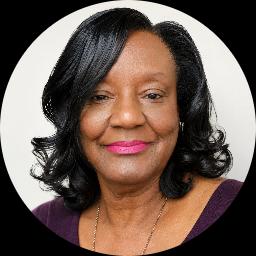
Louisiana · 25 yrs exp
Practical social work for stress and anxiety
Stress, Anxiety · Family · Anger · Self esteem · +1 more
Read profile
Louisiana · 15 yrs exp
Compassionate counselor for life transitions
Stress, Anxiety · Trauma and abuse · Grief · Self esteem · +1 more
Read profile
Texas · 10 yrs exp
Compassionate, practical support for life changes
Stress, Anxiety · Grief · Depression · Coping with life changes
Read profile
New Mexico · 8 yrs exp
Therapist focused on practical connection
Stress, Anxiety · Relationship · Family · Trauma and abuse · +6 more
Read profile
Texas · 3 yrs exp
Counselor blending language and behavior work
Stress, Anxiety · Addictions · Relationship · Family · +5 more
Read profile
Florida · 20 yrs exp
Practical therapy for stress and relationships
Stress, Anxiety · Trauma and abuse · Anger · Self esteem · +1 more
Read profile
Alabama · 17 yrs exp
Compassionate counselor focused on practical change
Stress, Anxiety · Addictions · Grief · Anger · +1 more
Read profile
Nevada · 25 yrs exp
Experienced therapist focused on relationships and connection
Stress, Anxiety · Relationship · Family · Trauma and abuse · +1 more
Read profile
Missouri · 22 yrs exp
Practical counseling for mood and connection
Stress, Anxiety · Addictions · Self esteem · Bipolar · +1 more
Read profile
Pennsylvania · 17 yrs exp
Compassionate, practical support for life changes
Stress, Anxiety · Trauma and abuse · Self esteem · Depression · +1 more
Read profile
Illinois · 39 yrs exp
Supportive LCSW focused on everyday coping
Stress, Anxiety · Relationship · Grief · Sleeping · +1 more
Read profile
New York · 10 yrs exp
Compassionate counselor helping people find balance
Stress, Anxiety · Family · Intimacy-related issues · Parenting · +1 more
Read profile
Massachusetts · 30 yrs exp
Thirty years helping people find connection
Stress, Anxiety · Addictions · Relationship · Trauma and abuse · +1 more
Read profile
Oklahoma · 30 yrs exp
Compassionate counselor focused on strengths
Stress, Anxiety · Family · Trauma and abuse · Grief · +6 more
Read profile
Florida · 18 yrs exp
Compassionate guidance for lasting change
Addictions · LGBT · Trauma and abuse · Eating
Read profile
Illinois · 25 yrs exp
Experienced LCSW helping with stress and isolation
Stress, Anxiety · Family · Trauma and abuse · Grief · +1 more
Read profile
California · 5 yrs exp
Practical support for isolation and stress
Stress, Anxiety · Addictions · Trauma and abuse · Self esteem · +12 more
Read profile
Texas · 24 yrs exp
Experienced counselor focused on practical support
Stress, Anxiety · Relationship · Family · Trauma and abuse · +2 more
Read profile
Arkansas · 8 yrs exp
Warm, practical counseling for life's hard moments
Stress, Anxiety · Family · Trauma and abuse · Parenting · +4 more
Read profile
South Dakota · 8 yrs exp
Practical support for stress and life change
Stress, Anxiety · Relationship · Trauma and abuse · Career · +1 more
Read profile
Louisiana · 15 yrs exp
Compassionate counseling for people feeling alone
Stress, Anxiety · Grief · Self esteem · Depression · +1 more
Read profileWhen loneliness settles in after a move, a breakup, a loss, retirement or for no clear reason at all, it can be hard to know how to treat yourself kindly. Self-love is not a destination or a single skill - it is a way of relating to yourself that includes compassion, realistic expectations and small, repeatable practices that protect your emotional energy. You do not need to be harsh on yourself for feeling disconnected; feeling alone is a human experience and is often a signal that your needs for connection, routine or meaning are not being met.
Therapy focused on self-love often looks at how you talk to yourself, how you set boundaries, and how you build routines that reinforce a sense of worth. This kind of work can overlap with concerns about isolation and connection without implying that one automatically causes the other. You may explore past hurts that shape self-talk, practice new ways of responding to internal criticism, and try small behavioral experiments that increase your sense of agency. Over time you and a therapist can track what routines and habits support your confidence and feeling connected to others.
Therapists bring different ways of working to conversations about self-love. Some profiles will note relational approaches that focus on patterns between you and others, some will note emotion-focused or acceptance-based approaches, and others will list practices that emphasize skills such as mindfulness or behavioral experiments. You will also find therapists who list methods such as narrative work or trauma-informed perspectives among their approaches. None of these labels guarantees a particular experience in a session, so it helps to ask concrete questions about how an approach is used in practice.
When you read a profile, consider asking potential therapists how they typically help clients build self-compassion, what a typical early session covers, and how they measure progress. You might ask whether they describe the work as skills-based, exploratory, or a mix of both, and how they adapt their approach when someone is also experiencing significant loneliness. If a profile mentions specific approaches you are curious about, ask how those approaches are incorporated - for example, therapists who list mindfulness among their approaches may invite brief practices in sessions, while those who list narrative ideas may focus on reshaping self-stories. These questions help you understand how an approach translates into actual sessions rather than assuming all clinicians who list similar terms work the same way.
If you plan to meet with a therapist online, it is helpful to have a short conversation up front about the practical and interpersonal details that matter to you. You can ask how they handle scheduling, what their preferred communication style is between sessions, and what kinds of goals people typically set early on. It is also important to discuss how they approach crisis planning - for example, what steps they recommend if you are feeling unable to keep yourself safe. If you have thoughts of harming yourself, call your local emergency services or crisis lines right away: US 988, UK Samaritans 116 123, AU Lifeline 13 11 14.
Before you start, ask about record-keeping, whether sessions are held from a comfortable environment and how they protect your personal information in the technology they use. Clarify what you expect from the relationship - some people seek a space for emotional processing and skills development while others want more direct coaching on routines and behaviors that build confidence. You should also discuss whether the clinician works with the age group or circumstance you are in, since a profile that lists Self-Love as a focus does not automatically indicate experience with every life phase or relationship configuration.
Profiles will list academic degrees and professional qualifications in different ways. Degrees such as PhD, PsyD, MD, MA or MSW tell you about education, but a degree alone does not indicate current permission to practice in a region. In the United States many clinicians hold state licenses that allow clinical practice; in the United Kingdom and Australia clinicians may be registered with or members of professional bodies. When comparing profiles, ask whether a clinician is licensed in the US state that matters to you or registered or a member of an appropriate body in the UK or Australia, and whether that status allows them to offer the kind of care you seek.
Profiles often include listed location and languages spoken, and these details help you find someone who can meet practical needs. If language is important to you, look for profiles that list the languages you speak and ask how comfortably they can conduct sessions in that language. If you live in one country but plan to access care from another, ask about jurisdictional issues so you understand how professional rules apply. Remember that a profile may list focus areas such as self-love and isolation - these are signals of interest and experience, not guarantees of scope. It is reasonable to ask directly about a clinician's experience with issues similar to yours before beginning work together.
When you compare profiles, consider how each clinician describes their therapeutic style and the kinds of questions they prioritize. Some profiles emphasize gentle exploration and pacing, while others emphasize skills you can practice between sessions to build routines and confidence. Ask yourself which tone will help you feel motivated rather than overwhelmed. Think about the practical aspects that matter to you - whether the clinician lists approaches you are curious to explore, whether they work with people in similar life stages, and whether they speak your preferred language.
Concrete comparison questions you can use while browsing include: How does this therapist describe progress - through shifts in feeling, changes in behavior, or clearer goals? Do they mention working with loneliness or connection explicitly, and how do they frame that work? What professional degrees are listed and how does that relate to their local permission to practice in the United States, the United Kingdom or Australia? What examples can they give of early-session goals when someone seeks help for self-love? How do they describe follow-up between sessions if you want exercises or check-ins? These questions help you move from a general impression to a clearer sense of fit.
Seeking help is itself a meaningful step toward treating yourself with more care and building connection. Early sessions tend to work well when you bring a small number of concrete goals - for instance, reducing self-criticism in response to mistakes, creating one routine that supports daily wellbeing, or identifying one social step that feels manageable. You and a therapist can break larger aims into smaller experiments - a short practice of self-compassion when a negative thought arises, a brief routine that helps you feel more grounded each morning, or a plan for reaching out to one person. These actions are not a cure for loneliness or a promise of friendship, but they can make daily life feel more navigable.
Remember that online talk therapy is a professional service for emotional support and skills building, not a befriending service. It can help you build tools to improve confidence, routine and connection, but the pace of change varies by person and circumstance. If something in a session does not feel right, you can raise it directly with the clinician to refine the approach. Take your time comparing profiles, ask specific questions about how a therapist approaches self-love and loneliness, and choose a professional whose answers and style align with what you need now.
Alabama
46 therapists
Alaska
5 therapists
Arizona
39 therapists
Arkansas
27 therapists
Australia
104 therapists
California
372 therapists
Colorado
58 therapists
Connecticut
39 therapists
Delaware
4 therapists
District of Columbia
7 therapists
Florida
197 therapists
Georgia
66 therapists
Hawaii
9 therapists
Idaho
10 therapists
Illinois
135 therapists
Indiana
58 therapists
Iowa
9 therapists
Kansas
32 therapists
Kentucky
41 therapists
Louisiana
49 therapists
Maine
10 therapists
Maryland
49 therapists
Massachusetts
60 therapists
Michigan
129 therapists
Minnesota
42 therapists
Mississippi
33 therapists
Missouri
59 therapists
Montana
11 therapists
Nebraska
14 therapists
Nevada
10 therapists
New Hampshire
8 therapists
New Jersey
88 therapists
New Mexico
11 therapists
New York
301 therapists
North Carolina
62 therapists
North Dakota
3 therapists
Ohio
99 therapists
Oklahoma
49 therapists
Oregon
14 therapists
Pennsylvania
120 therapists
Rhode Island
7 therapists
South Carolina
35 therapists
South Dakota
6 therapists
Tennessee
48 therapists
Texas
329 therapists
United Kingdom
704 therapists
Utah
24 therapists
Vermont
5 therapists
Virginia
56 therapists
Washington
44 therapists
West Virginia
5 therapists
Wisconsin
51 therapists
Wyoming
6 therapists