
Dr. Stella Diai
LPCNew Jersey · 5 yrs exp
Therapist who centers the client
Stress, Anxiety · Relationship · Family · Anger · +12 more
Read profileTherapists in the United States, the United Kingdom and Australia
Need to talk to someone now?Therapist listings are provided by BetterHelp. We will earn a commission at no extra cost to you if you use our links to buy.
Compare profiles to find therapists who list guilt and shame among their focus areas and who also note experience with loneliness and connection. Browse profiles to compare listed location, approaches, languages, credentials and therapeutic style before reaching out.
New Jersey · 5 yrs exp
Therapist who centers the client
Stress, Anxiety · Relationship · Family · Anger · +12 more
Read profile
Illinois · 28 yrs exp
Compassionate counselor blending values and practical tools
Stress, Anxiety · Relationship · Grief · Self esteem · +8 more
Read profile
New York · 24 yrs exp
Therapist blending relational and skills-based care
Stress, Anxiety · Addictions · Family · Parenting · +9 more
Read profile
Georgia · 12 yrs exp
Compassionate counselor helping people find balance
Stress, Anxiety · Addictions · Trauma and abuse · Anger · +1 more
Read profile
Louisiana · 15 yrs exp
Compassionate counselor for life transitions
Stress, Anxiety · Trauma and abuse · Grief · Self esteem · +1 more
Read profile
New Mexico · 8 yrs exp
Therapist focused on practical connection
Stress, Anxiety · Relationship · Family · Trauma and abuse · +6 more
Read profile
Texas · 3 yrs exp
Counselor blending language and behavior work
Stress, Anxiety · Addictions · Relationship · Family · +5 more
Read profile
Florida · 20 yrs exp
Practical therapy for stress and relationships
Stress, Anxiety · Trauma and abuse · Anger · Self esteem · +1 more
Read profile
Illinois · 10 yrs exp
Strength-based LCSW helping people find hope
Stress, Anxiety · Trauma and abuse · Grief · Self esteem · +11 more
Read profile
Alabama · 17 yrs exp
Compassionate counselor focused on practical change
Stress, Anxiety · Addictions · Grief · Anger · +1 more
Read profile
Nevada · 25 yrs exp
Experienced therapist focused on relationships and connection
Stress, Anxiety · Relationship · Family · Trauma and abuse · +1 more
Read profile
Missouri · 22 yrs exp
Practical counseling for mood and connection
Stress, Anxiety · Addictions · Self esteem · Bipolar · +1 more
Read profile
Pennsylvania · 17 yrs exp
Compassionate, practical support for life changes
Stress, Anxiety · Trauma and abuse · Self esteem · Depression · +1 more
Read profile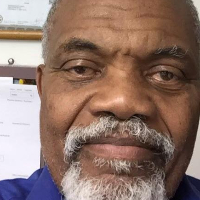
Illinois · 39 yrs exp
Supportive LCSW focused on everyday coping
Stress, Anxiety · Relationship · Grief · Sleeping · +1 more
Read profile
New York · 10 yrs exp
Compassionate counselor helping people find balance
Stress, Anxiety · Family · Intimacy-related issues · Parenting · +1 more
Read profile
Massachusetts · 30 yrs exp
Thirty years helping people find connection
Stress, Anxiety · Addictions · Relationship · Trauma and abuse · +1 more
Read profile
Louisiana · 22 yrs exp
Helping people discover identity and purpose
Stress, Anxiety · Grief · Self esteem · Depression · +5 more
Read profile
Florida · 18 yrs exp
Compassionate guidance for lasting change
Addictions · LGBT · Trauma and abuse · Eating
Read profile
California · 5 yrs exp
Practical support for isolation and stress
Stress, Anxiety · Addictions · Trauma and abuse · Self esteem · +12 more
Read profile
Michigan · 27 yrs exp
Compassionate social worker helping people move forward
Stress, Anxiety · Addictions · Trauma and abuse · Depression · +1 more
Read profile
Minnesota · 3 yrs exp
Compassionate psychologist focused on practical change
Stress, Anxiety · Addictions · Relationship · Trauma and abuse · +8 more
Read profile
Texas · 24 yrs exp
Experienced counselor focused on practical support
Stress, Anxiety · Relationship · Family · Trauma and abuse · +2 more
Read profile
Arkansas · 8 yrs exp
Warm, practical counseling for life's hard moments
Stress, Anxiety · Family · Trauma and abuse · Parenting · +4 more
Read profile
South Dakota · 8 yrs exp
Practical support for stress and life change
Stress, Anxiety · Relationship · Trauma and abuse · Career · +1 more
Read profileIf you are feeling lonely, guilt and shame can intensify the sense that something is wrong with you rather than with the situation. Guilt often shows up as regret about actions or choices - you may replay conversations or wish you had acted differently. Shame tends to be more pervasive, making you feel flawed or unworthy of care. Both feelings can make it harder to reach out, because you might fear judgment or believe you should be able to manage on your own. Recognizing how these emotions influence your social life and mood is a useful first step. You do not need to have a formal diagnosis to find it helpful to talk with a professional who lists these topics among their focus areas. Therapy profiles on this page can help you compare how clinicians describe their experience, what approaches they mention, and the populations they note, so you can find someone whose language and emphasis resonate with your experience.
Guilt and shame do not always cause loneliness, but they often interact in ways that make connection feel riskier. If you feel guilty, you may try to make amends or withdraw to avoid burdening others. If you feel shame, you may hide parts of yourself, which makes authentic connection difficult. Both reactions can lead to a shrinking social circle and to less frequent outreach. When you are looking through profiles, keep in mind that many therapists who list guilt and shame also note related focuses such as isolation, grief, transitions, or relationship challenges. That overlap can be helpful because it means the professional may be familiar with the relational patterns that accompany these feelings. You can look for language in profiles that emphasizes rebuilding trust with yourself, learning self-compassion, or practicing small steps toward re-engagement. Those descriptions may give you a sense of whether a clinician prioritizes connection and practical supports alongside emotional processing.
When you find profiles that feel relevant, think in advance about what matters most to you and prepare concrete questions. You might ask, "How do you typically work with someone who struggles with chronic shame?" or "What kinds of strategies do you use to help people reconnect after a period of withdrawal?" If certain interventions interest you, phrase your question as, "I see you list cognitive-behavioral approaches or EMDR among your approaches - how might those be applied for someone dealing with guilt or shame?" This wording avoids assuming training or certification while still prompting a clear response. Ask about the populations a clinician works with by saying, "Do you work with adults experiencing loneliness after loss or life changes?" rather than assuming they treat couples, families, or children. You can also inquire about practical matters that affect your comfort, such as language of therapy and the therapist's stated therapeutic style. Asking these specific questions in message or intake calls helps you compare how different professionals describe their methods and priorities without relying on general terms.
If you are considering online talk therapy, there are a few important topics to cover before your first session. Clarify technical and communication expectations by asking about preferred platforms, how sessions are scheduled, and how the therapist handles missed sessions or changes. Talk about how emergencies are managed - for example, ask, "If I have thoughts of harming myself, what steps would you suggest and how would we coordinate local support?" If you are in immediate danger or have active thoughts of harming yourself, contact emergency services in your area and use crisis lines such as US 988, UK Samaritans at 116 123, or AU Lifeline at 13 11 14. Remember that online talk therapy is not a substitute for social support or befriending services; it is a space for professional help with emotional and psychological concerns. It is reasonable to discuss boundaries and expectations around communication between sessions, and to ask how the therapist works with clients who are experiencing intense loneliness or isolation. Bringing these topics up early helps you decide whether the professional's approach and logistics fit your needs.
Profiles in this directory use several pieces of information you can compare to narrow your choices. Focus areas tell you what topics a clinician lists, such as guilt, shame, isolation, grief, or relationship concerns. Languages spoken are important if you prefer to speak in a language other than the dominant language in your listed location. Credentials can include academic degrees like PhD, PsyD, MD, MA, or MSW, which describe educational attainment but do not by themselves indicate permission to practice. In the United States, clinicians commonly hold state licenses - you can look for mentions of state licensure when those details appear. In the United Kingdom and Australia, professionals may be registered with a national regulator or be members of recognized professional bodies; profiles may note registration or memberships rather than licensing. When reading descriptions of therapeutic style, pay attention to whether a clinician emphasizes an empathic, practical, exploratory, or skills-based approach and to whether they describe working at a slower or more active pace. If you notice an approach listed, such as cognitive-behavioral therapy, psychodynamic work, acceptance and commitment approaches, or approaches like EMDR, remember to ask the clinician how they apply that approach to guilt and shame in practice, since listings do not guarantee a particular training background. Also note that a listed topic does not mean the therapist treats children, couples, or families unless that is explicitly stated. Use the profiles to build a short list of clinicians whose language aligns with your priorities, then reach out to ask the specific questions that matter to you before deciding to book an initial conversation.
As you use this page, take your time and let the language in profiles guide you toward clinicians who reflect the kind of help you want. You can trust your judgment about who feels approachable and who describes an emphasis on connection, self-compassion, or practical steps to reduce isolation. If at any point you feel unsafe, contact local emergency services or the crisis lines listed earlier. This directory is a place to compare profiles by listed location, focus areas, languages, credentials, and stated therapeutic style so you can reach out to professionals who might be a good fit for the work you want to do around guilt, shame, and rebuilding connection.
Alabama
46 therapists
Alaska
5 therapists
Arizona
39 therapists
Arkansas
27 therapists
Australia
104 therapists
California
372 therapists
Colorado
58 therapists
Connecticut
39 therapists
Delaware
4 therapists
District of Columbia
7 therapists
Florida
197 therapists
Georgia
66 therapists
Hawaii
9 therapists
Idaho
10 therapists
Illinois
135 therapists
Indiana
58 therapists
Iowa
9 therapists
Kansas
32 therapists
Kentucky
41 therapists
Louisiana
49 therapists
Maine
10 therapists
Maryland
49 therapists
Massachusetts
60 therapists
Michigan
129 therapists
Minnesota
42 therapists
Mississippi
33 therapists
Missouri
59 therapists
Montana
11 therapists
Nebraska
14 therapists
Nevada
10 therapists
New Hampshire
8 therapists
New Jersey
88 therapists
New Mexico
11 therapists
New York
301 therapists
North Carolina
62 therapists
North Dakota
3 therapists
Ohio
99 therapists
Oklahoma
49 therapists
Oregon
14 therapists
Pennsylvania
120 therapists
Rhode Island
7 therapists
South Carolina
35 therapists
South Dakota
6 therapists
Tennessee
48 therapists
Texas
329 therapists
United Kingdom
704 therapists
Utah
24 therapists
Vermont
5 therapists
Virginia
56 therapists
Washington
44 therapists
West Virginia
5 therapists
Wisconsin
51 therapists
Wyoming
6 therapists