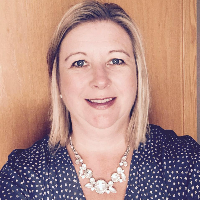
Julie Duncan
MN Psychologist LP4663Minnesota · 3 yrs exp
Compassionate psychologist focused on practical change
Stress, Anxiety · Addictions · Relationship · Trauma and abuse · +8 more
Read profileTherapists in the United States, the United Kingdom and Australia
Need to talk to someone now?Therapist listings are provided by BetterHelp. We will earn a commission at no extra cost to you if you use our links to buy.
This page groups profiles of clinicians who list Autism among their specialties and who also note a focus on loneliness and connection. You can compare listed location, approaches, credentials, languages, and therapeutic style - browse profiles to find a match for your needs.
Minnesota · 3 yrs exp
Compassionate psychologist focused on practical change
Stress, Anxiety · Addictions · Relationship · Trauma and abuse · +8 more
Read profile
United Kingdom · 10 yrs exp
Calm practical counselling for everyday struggles
Stress, Anxiety · Addictions · Grief · Parenting · +4 more
Read profile
United Kingdom · 7 yrs exp
Experienced counsellor for loneliness and loss
Relationship · Trauma and abuse · Grief · Self esteem · +12 more
Read profile
United Kingdom · 15 yrs exp
A warm, person-centred counsellor
Stress, Anxiety · Relationship · Family · Grief · +9 more
Read profile
United Kingdom · 5 yrs exp
Responsive counsellor for isolation and change
Stress, Anxiety · Self esteem · Career · Depression · +1 more
Read profile
United Kingdom · 6 yrs exp
Compassionate counsellor for life changes
Stress, Anxiety · Relationship · Family · Grief · +3 more
Read profile
United Kingdom · 4 yrs exp
Compassionate counsellor using Transactional Analysis
Stress, Anxiety · Grief · Self esteem · Depression · +16 more
Read profile
United Kingdom · 6 yrs exp
A calm person-centred counsellor
Relationship · Grief · Self esteem · Depression · +5 more
Read profile
United Kingdom · 9 yrs exp
Supportive counsellor using talking and creative work
Stress, Anxiety · Grief · Self esteem · Depression · +8 more
Read profile
United Kingdom · 4 yrs exp
Calm, practical counselling for life changes
Relationship · Family · Grief · Parenting · +12 more
Read profile
United Kingdom · 6 yrs exp
Experienced counsellor focused on meaning and connection
Stress, Anxiety · Relationship · Self esteem · Depression · +7 more
Read profile
United Kingdom · 10 yrs exp
Calm, practical support for life’s hard moments
Stress, Anxiety · Trauma and abuse · Self esteem · Depression · +5 more
Read profile
Texas · 22 yrs exp
Compassionate counselor for connection and healing
Depression · Stress, Anxiety · Relationship · Self esteem · +1 more
Read profile
Texas · 6 yrs exp
Practical, compassionate care for anxiety and loneliness
Stress, Anxiety · Trauma and abuse · Anger · Self esteem · +8 more
Read profile
United Kingdom · 6 yrs exp
Practical, listening-led counselling for isolation
Stress, Anxiety · Addictions · Trauma and abuse · Self esteem · +1 more
Read profile
United Kingdom · 9 yrs exp
Compassionate counsellor for life transitions
Stress, Anxiety · Relationship · Self esteem · Depression · +7 more
Read profile
Texas · 3 yrs exp
Compassionate Texas LPC helping people move forward
Stress, Anxiety · Trauma and abuse · Grief · Depression · +1 more
Read profile
New Jersey · 12 yrs exp
Compassionate, practical support for stressful times
Stress, Anxiety · Addictions · Eating · Depression
Read profile
United Kingdom · 10 yrs exp
Warm, client-led counsellor for life transitions
Stress, Anxiety · LGBT · Self esteem · Depression · +11 more
Read profile
United Kingdom · 15 yrs exp
Warm, practical counselling for everyday struggles
Stress, Anxiety · Family · Grief · Self esteem · +1 more
Read profile
New Mexico · 21 yrs exp
Experienced LPCC helping with loneliness and mood
Stress, Anxiety · LGBT · Relationship · Anger · +1 more
Read profile
United Kingdom · 4 yrs exp
Creative counsellor for stress and loneliness
Stress, Anxiety · Relationship · Grief · Self esteem · +1 more
Read profile
United Kingdom · 3 yrs exp
Practical, strengths-based counselling for everyday struggles
Stress, Anxiety · Relationship · Grief · Eating · +1 more
Read profile
United Kingdom · 3 yrs exp
Supportive counsellor for overwhelm and loneliness
Stress, Anxiety · Family · Grief · Self esteem · +1 more
Read profileIf you are feeling disconnected, you are not alone in wanting a clinician who understands how autism and social experience can intersect. You might be looking for help with building social confidence, managing sensory or social overwhelm, or making small, sustainable shifts in routine that make connection easier. You may also want support naming how isolation affects your mood, energy, sleep, or ability to take steps toward relationships. All of these are reasonable topics to raise while searching for a clinician whose profile lists Autism as a focus.
When you read profiles, look for language about working with adults, adolescents, or whichever age group matches your needs. A listed focus on Autism does not automatically mean a clinician treats every situation related to diagnosis, developmental history, or family systems. People value different things in therapy - some want structured skills you can practice between conversations, while others prefer an exploratory space to reflect and build self-understanding. Think about which tone or rhythm might help you feel more connected rather than overwhelmed, and use that as one axis for comparison.
Autism and loneliness can appear together for many reasons, but one does not automatically cause the other. Social differences, sensory sensitivities, changes in routine, or life transitions like moving, relationship changes, or retirement can all shape how connected you feel. Some people find that social expectations or communication differences make social spaces tiring or unpredictable. Others experience loneliness because they have lost a key relationship or are living in a new city. Your experience is unique, and a clinician with a listed focus on Autism may help you explore how these factors intersect in your life.
On this site, profiles that list Autism are grouped so you can consider clinicians who note that focus as part of their practice. That label simply indicates a clinician has chosen to highlight that area among their interests. It does not guarantee a particular method, a specific scope of practice, or that the clinician works with children, couples, or families. If you want support that explicitly addresses social connection, look for language in profiles about social skills, relationships, sensory health, or coping with social exhaustion so you can ask concrete questions when you reach out.
When you find a profile that looks promising, prepare a few direct questions that matter to you. You might ask whether the clinician works with autistic adults or with people who identify as autistic without a formal diagnosis. You can ask how they understand the relationship between social difference and loneliness, and whether they have experience supporting people who want to build routines that make social contact more manageable. Concrete questions help you evaluate fit: for example, ask how they typically support someone feeling chronically isolated, what kinds of strategies they suggest for managing social fatigue, or whether they adapt sessions to sensory needs.
Also ask about therapeutic approaches in a neutral way. Rather than presuming training, ask whether they list cognitive-behavioral, relational, experiential, or other approaches among those they use, and how those might be applied to social connection. You can inquire about their experience with co-occurring issues such as anxiety, depression, or trauma and how those are integrated into care. Keep in mind degrees such as PhD, PsyD, MD, MA, or MSW are academic credentials; a degree alone does not indicate current permission to practice. In the United States clinicians may hold a state license, while in the United Kingdom and Australia clinicians may be registered or hold professional membership. You can ask directly about the clinician's current credentials and scope of practice in their listed location.
If you are considering online talk therapy, it helps to set expectations from the start. Online sessions can be a practical way to access clinicians across regions, but they are not the same as social services or befriending programs. You should discuss session structure - for example how long sessions are, how progress is reviewed, and what the clinician sees as short-term goals versus longer-term themes. You should also ask how a clinician handles sensory or communication preferences during a session - such as whether they offer written check-ins, visual aids, or pauses to process information.
Another important conversation is about boundaries and crisis planning. Ask how the clinician handles urgent concerns and where you should go for immediate help in a crisis. If you are in the United States, the lifeline is 988; in the United Kingdom the Samaritans can be reached at 116 123; in Australia Lifeline is available at 13 11 14. If you have questions about coordinating care with other professionals, such as a GP or psychiatrist, you can raise these before you begin. Clear upfront conversations reduce misunderstandings and help you know what role therapy will play in your broader support network.
Comparing profiles is most useful when you pay attention to concrete details that matter to your day-to-day life. Look at the focus areas a clinician lists beyond Autism - for example isolation, social anxiety, or support with transitions - and think about which of those match your current priorities. Check the languages a clinician lists if you prefer therapy in a language other than the local majority language; being able to speak in your preferred language can make a large difference in feeling heard. Also note the listed location and time zone information so scheduling conversations are realistic for you, and consider whether the clinician indicates a preference for working with adults, adolescents, or other groups.
Credentials and degrees are also worth checking, but remember to separate academic degrees from licensing or registration. A profile might show degrees such as MA, MSW, PhD, PsyD, or MD; you can ask whether the clinician holds a current license, registration, or professional membership relevant to the country of their listed location. Style matters as well - some clinicians describe a direct and skills-focused approach, others emphasize reflective and relational work. Read profile language for tone and see whether it aligns with how you like to work. Finally, if a profile lists particular approaches - for example therapists who list mindfulness-informed or cognitive-behavioral approaches - remember this is a starting point for conversation, not a guarantee. Reach out via the profile to ask the concrete questions that help you decide if a clinician is a fit for your goals.
If you are in immediate crisis or are thinking about harming yourself, please contact local emergency services or a crisis line right away. In the United States call 988, in the United Kingdom call Samaritans at 116 123, and in Australia call Lifeline at 13 11 14. If you are unsure where to start, consider browsing profiles here to find clinicians who list Autism and a focus on loneliness and connection, and reach out to ask the specific questions that matter to you before beginning care.
Alabama
46 therapists
Alaska
5 therapists
Arizona
39 therapists
Arkansas
27 therapists
Australia
104 therapists
California
372 therapists
Colorado
58 therapists
Connecticut
39 therapists
Delaware
4 therapists
District of Columbia
7 therapists
Florida
197 therapists
Georgia
66 therapists
Hawaii
9 therapists
Idaho
10 therapists
Illinois
135 therapists
Indiana
58 therapists
Iowa
9 therapists
Kansas
32 therapists
Kentucky
41 therapists
Louisiana
49 therapists
Maine
10 therapists
Maryland
49 therapists
Massachusetts
60 therapists
Michigan
129 therapists
Minnesota
42 therapists
Mississippi
33 therapists
Missouri
59 therapists
Montana
11 therapists
Nebraska
14 therapists
Nevada
10 therapists
New Hampshire
8 therapists
New Jersey
88 therapists
New Mexico
11 therapists
New York
301 therapists
North Carolina
62 therapists
North Dakota
3 therapists
Ohio
99 therapists
Oklahoma
49 therapists
Oregon
14 therapists
Pennsylvania
120 therapists
Rhode Island
7 therapists
South Carolina
35 therapists
South Dakota
6 therapists
Tennessee
48 therapists
Texas
329 therapists
United Kingdom
704 therapists
Utah
24 therapists
Vermont
5 therapists
Virginia
56 therapists
Washington
44 therapists
West Virginia
5 therapists
Wisconsin
51 therapists
Wyoming
6 therapists