
Julie Duncan
MN Psychologist LP4663Minnesota · 3 yrs exp
Compassionate psychologist focused on practical change
Stress, Anxiety · Addictions · Relationship · Trauma and abuse · +8 more
Read profileTherapists in the United States, the United Kingdom and Australia
Need to talk to someone now?Therapist listings are provided by BetterHelp. We will earn a commission at no extra cost to you if you use our links to buy.
This page groups therapist profiles under the listed location Minnesota so you can compare focus areas, approaches, languages and credentials. Browse the profiles below to explore clinicians who list loneliness or connection among their focus areas and see who you might want to learn more about.
Minnesota · 3 yrs exp
Compassionate psychologist focused on practical change
Stress, Anxiety · Addictions · Relationship · Trauma and abuse · +8 more
Read profile
Minnesota · 6 yrs exp
Practical support for anxiety and loneliness
Stress, Anxiety · Relationship · Trauma and abuse · Self esteem · +6 more
Read profile
Minnesota · 6 yrs exp
Compassionate person-centered care for life transitions
Stress, Anxiety · Relationship · Family · Depression · +1 more
Read profile
Minnesota · 10 yrs exp
Practical support for stress and life change
Stress, Anxiety · Addictions · Grief · Coping with life changes · +1 more
Read profile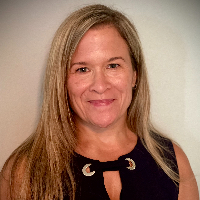
Minnesota · 15 yrs exp
Supportive therapist for stress and loneliness
Stress, Anxiety · Grief · Self esteem · Depression · +1 more
Read profile
Minnesota · 17 yrs exp
Trusted Minnesota LMFT for life transitions
Intimacy-related issues · Parenting · Career · Coping with life changes · +1 more
Read profile
Minnesota · 15 yrs exp
Guiding practical change with thoughtful care
Stress, Anxiety · Coping with life changes · Compassion fatigue · Relationship · +9 more
Read profile
Minnesota · 6 yrs exp
Compassionate, practical help for everyday struggles
Stress, Anxiety · Coaching · ADHD · Trauma and abuse · +2 more
Read profile
Minnesota · 11 yrs exp
Hopeful, practical support for everyday loneliness
Stress, Anxiety · Self esteem · Depression · ADHD · +8 more
Read profile
Minnesota · 3 yrs exp
Compassionate practical support for everyday struggles
Stress, Anxiety · Addictions · LGBT · Bipolar · +7 more
Read profile
Minnesota · 15 yrs exp
Calm support for stress and life changes
Stress, Anxiety · Family · Trauma and abuse · Self esteem · +1 more
Read profile
Minnesota · 5 yrs exp
Calm, client-centered therapist focused on family dynamics
Stress, Anxiety · Trauma and abuse · Parenting · Self esteem · +10 more
Read profile
Minnesota · 14 yrs exp
Empathetic counselor guiding practical change
Stress, Anxiety · Addictions · Relationship · Depression · +13 more
Read profile
Minnesota · 4 yrs exp
Compassionate LICSW focusing on practical growth
Stress, Anxiety · Trauma and abuse · Anger · Self esteem · +10 more
Read profile
Minnesota · 33 yrs exp
Compassionate Minnesota psychologist focused on practical change
Relationship · Family · Parenting · Self esteem · +8 more
Read profile
Minnesota · 5 yrs exp
Practical, respectful support for change
Self esteem · Bipolar · Depression · Stress, Anxiety · +1 more
Read profile
Minnesota · 9 yrs exp
Straightforward support for life’s difficult moments
Stress, Anxiety · Relationship · Family · Self esteem · +7 more
Read profile
Minnesota · 22 yrs exp
Practical, respectful support for everyday challenges
Stress, Anxiety · Self esteem · Depression · Coping with life changes · +1 more
Read profile
Minnesota · 15 yrs exp
Compassionate counselor focused on practical change
Stress, Anxiety · Trauma and abuse · Self esteem · Bipolar · +1 more
Read profile
Minnesota · 5 yrs exp
Connect, understand, and move forward
Stress, Anxiety · Relationship · Family · Bipolar · +1 more
Read profile
Minnesota · 9 yrs exp
Care-focused LICSW helping with loneliness and stress
Stress, Anxiety · Trauma and abuse · Grief · Self esteem · +3 more
Read profile
Minnesota · 8 yrs exp
Therapist focused on practical change
Stress, Anxiety · Relationship · Trauma and abuse · Depression · +1 more
Read profile
Minnesota · 38 yrs exp
Practical, experienced help for stress and isolation
Stress, Anxiety · Family · Trauma and abuse · Self esteem · +1 more
Read profile
Minnesota · 8 yrs exp
Calm guidance for stress and isolation
Stress, Anxiety · Addictions · Trauma and abuse · Depression
Read profileFeeling lonely or disconnected can happen after a move, a breakup, the loss of someone close to you, retirement, illness, or sometimes for no obvious reason at all. When you start looking for help, it can be useful to remember that small changes in routine, practice and social habits often matter more than big fixes. Therapy can be a place to name what you are feeling, to try small experiments for connection and confidence, and to explore patterns that make social contact harder or more rewarding. Therapy is not a befriending service - it is a professional space where a clinician and you work toward goals you choose together.
If you are thinking about harming yourself or are in immediate danger, contact local emergency services right away. You can also reach crisis lines such as US 988, UK Samaritans 116 123, or AU Lifeline 13 11 14, or your local emergency number. These resources can provide immediate support while you find further help.
Profiles on this site are grouped under the listed location Minnesota to help you narrow a search, but that grouping does not prove an office, in-person proximity, or permission to practice in a given place. Always open an individual profile and look for details the clinician shares about where they are allowed to work. You should confirm directly with the clinician whether they can work with you where you live before making any plans.
The directory includes professionals from the United States, the United Kingdom and Australia. In the US many clinicians will note a state license. In the UK and Australia you will commonly see references to registration or membership with professional bodies rather than a single national licensing system. Academic degrees such as PhD, PsyD, MD, MA or MSW are different from a license or registration. A degree tells you about training, but on its own it does not confirm current permission to practice in a jurisdiction. When reviewing profiles, look for language about where the person is permitted to provide care and ask about legal permission to work with clients in your location.
When you click into a profile, you can use concrete questions to compare clinicians. Ask whether they have experience helping people who feel lonely because of bereavement, relocation, social anxiety, chronic illness or life transitions. If a therapist lists a particular approach, such as mindfulness, cognitive-behavioral work, psychodynamic exploration or if they list EMDR among their approaches, treat that as a starting point for discussion rather than proof of specialization. You can ask what a typical session might focus on in the early weeks, what kinds of goals clients often set, and how they help people take small steps toward connection and routine.
It is also useful to ask about the kinds of relationships they commonly work with. A listed topic does not establish that a clinician treats children, couples or families. If you are looking for care for a specific age group or relationship type, ask whether they have experience and training relevant to your needs. Concrete questions - such as “Have you worked with people adjusting after a move?” or “What do you focus on when someone is newly grieving?” - will give you clear information to compare profiles.
If you are considering online care, clarify how the clinician defines the boundaries and the scope of their online work. Online talk therapy is not a social service or a befriending service, so ask how communication is handled between sessions, what to expect in an emergency, and whether the clinician has a plan for crisis situations that applies to where you live. Confirm that they are permitted to work with you in your jurisdiction - this is an important legal and safety consideration when clinicians and clients are in different states or countries.
Discuss practical matters that affect the therapeutic relationship. Ask which languages they offer sessions in and whether language support is available if English is not your first language. Talk about whether they have experience with the specific life circumstances that brought you here - for example, long-term illness, caregiving responsibilities, retirement or frequent relocations. Clarifying these items before you begin helps you set realistic expectations and find a clinician whose style and scope align with what you need.
When you compare profiles, read both the short summary and the fuller description to see how a clinician frames loneliness or connection. Look for specific focus areas that match your situation - for instance, grief, social anxiety, or adjustment after life change - and consider how their stated approach might align with your comfort level. If a clinician lists particular approaches, remember to treat that as information to explore in conversation: you might say, “I see you list cognitive-behavioral approaches and mindfulness - can you tell me how you blend those when working with loneliness?”
Credentials tell part of the story but not everything. A profile might list a degree such as PhD, PsyD, MD, MA or MSW alongside professional licensure, registration or membership. Degrees indicate academic training while licensure, registration or membership speak to legal permission or professional standards in a region. Compare the languages offered, the populations they mention, and the descriptions of therapeutic style - whether someone emphasizes practical skills, reflective exploration, or short-term goal work. If communication style matters to you, look for wording that describes warmth, directness, or structure and ask about it during an initial conversation.
Finally, remember to confirm practical permissions before moving forward: check the individual profile, and confirm with the clinician that they are authorized to work with you where you live. Take your time, trust your sense of fit, and consider starting with a brief conversation to see whether the clinician's approach feels like a good match for the small steps you want to take toward connection and everyday confidence.
Addictions
780 therapists
ADHD
540 therapists
Anger
882 therapists
Autism
211 therapists
Avoidant Personality
175 therapists
Chronic Illness
357 therapists
Chronic Pain
357 therapists
Depression
2910 therapists
Disability
357 therapists
Grief
1520 therapists
Guilt and Shame
2669 therapists
Intimacy Issues
457 therapists
Isolation / Loneliness
3799 therapists
Midlife Crisis
586 therapists
Mood Disorders
1359 therapists
Panic Disorder and Panic Attacks
1287 therapists
Post-Traumatic Stress
1534 therapists
Seasonal Affective Disorder (SAD)
363 therapists
Self Esteem
2605 therapists
Social Anxiety and Phobia
2219 therapists
Stress & Anxiety
3464 therapists
Trauma and Abuse
1886 therapists
Abandonment
1031 therapists
Aging and Geriatric Issues
199 therapists
Attachment Issues
1404 therapists
Career
699 therapists
Caregiver Issues and Stress
990 therapists
Codependency
389 therapists
Communication Problems
2894 therapists
Compassion Fatigue
564 therapists
Coping with Life Changes
2209 therapists
Divorce
1217 therapists
Family
1225 therapists
Family of Origin Issues
324 therapists
Forgiveness
2153 therapists
Hospice and End-of-Life Counseling
151 therapists
Life Purpose
2674 therapists
Parenting
753 therapists
Relationship
2071 therapists
Self-Love
2756 therapists
Separation
1217 therapists
Workplace Issues
1050 therapists