
Chris Kohlmann
LPCCOhio · 25 yrs exp
Experienced counselor for practical change
Stress, Anxiety · Relationship · Self esteem · Depression · +1 more
Read profileTherapists in the United States, the United Kingdom and Australia
Need to talk to someone now?Therapist listings are provided by BetterHelp. We will earn a commission at no extra cost to you if you use our links to buy.
Compare profiles of therapists who list loneliness and connection as focus areas and explore differences in approach, credentials, languages and therapeutic style. Browse the Ohio listings below and review each profile to confirm the listed location and whether a therapist can work with you where you live.
Ohio · 25 yrs exp
Experienced counselor for practical change
Stress, Anxiety · Relationship · Self esteem · Depression · +1 more
Read profile
Ohio · 9 yrs exp
Supportive, practical therapy for life challenges
Stress, Anxiety · Eating · Self esteem · Coping with life changes · +7 more
Read profile
Ohio · 14 yrs exp
Practical, strengths-based counseling for life's challenges
Stress, Anxiety · Addictions · Anger · Self esteem · +1 more
Read profile
Ohio · 10 yrs exp
Calm, practical support for loss and loneliness
Trauma and abuse · Grief
Read profile
Ohio · 12 yrs exp
Grounded counselor for everyday struggles
Stress, Anxiety · Trauma and abuse · Anger · Self esteem · +1 more
Read profile
Ohio · 5 yrs exp
Warm, direct support for life transitions
Career · Coping with life changes
Read profile
Ohio · 11 yrs exp
Compassionate LISW for practical coping
Stress, Anxiety · Family · Trauma and abuse · Anger · +1 more
Read profile
Ohio · 5 yrs exp
Helping people find steady grounding
Stress, Anxiety · Parenting · Anger · Self esteem · +5 more
Read profile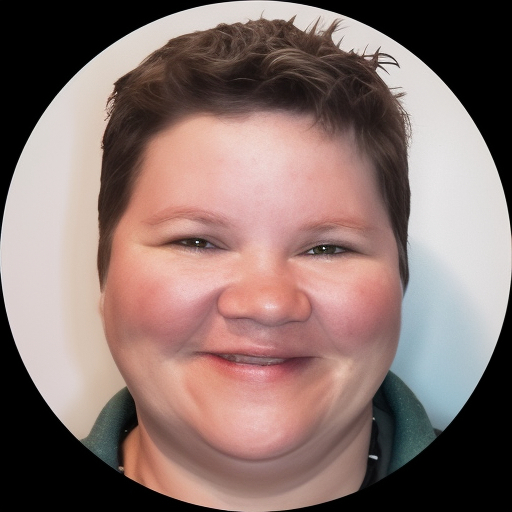
Ohio · 6 yrs exp
Practical support for isolation and life transitions
Stress, Anxiety · Self esteem · Career · Coping with life changes · +1 more
Read profile
Ohio · 13 yrs exp
Helping people move past addiction and isolation
Addictions · Trauma and abuse · Anger · Bipolar · +1 more
Read profile
Ohio · 3 yrs exp
Compassionate, practical support for life changes
Stress, Anxiety · LGBT · Trauma and abuse · Parenting · +14 more
Read profile
Ohio · 6 yrs exp
Therapist who blends real talk and practical skills
Stress, Anxiety · Family · Trauma and abuse · Parenting · +1 more
Read profile
Ohio · 8 yrs exp
Practical, goal-focused therapy for change
Stress, Anxiety · Addictions · Self esteem · Bipolar · +1 more
Read profile
Ohio · 3 yrs exp
Client-centered support for anxiety and loneliness
Stress, Anxiety · LGBT · Self esteem · Depression · +1 more
Read profile
Ohio · 25 yrs exp
Experienced social worker focused on practical coping
Stress, Anxiety · Relationship · Self esteem · Depression · +1 more
Read profile
Ohio · 10 yrs exp
Warm, practical counseling for life transitions
Stress, Anxiety · Addictions · Self esteem · Depression · +1 more
Read profile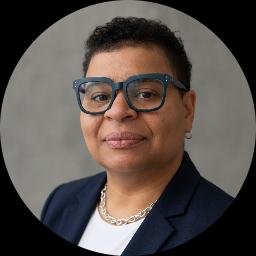
Ohio · 16 yrs exp
Affirming, practical counseling for life changes
Stress, Anxiety · LGBT · Grief · Depression · +1 more
Read profile
Ohio · 14 yrs exp
Practical, values-focused therapy for life challenges
Stress, Anxiety · Trauma and abuse · Self esteem · Depression · +10 more
Read profile
Ohio · 25 yrs exp
Thoughtful practical counseling for everyday struggles
Stress, Anxiety · Grief · Anger · Depression · +16 more
Read profile
Ohio · 4 yrs exp
Practical support for loneliness and life change
Stress, Anxiety · Bipolar · Depression · Addictions · +6 more
Read profile
Ohio · 10 yrs exp
Compassionate social worker for daily struggles
Stress, Anxiety · Grief · Intimacy-related issues · Self esteem · +1 more
Read profile
Ohio · 15 yrs exp
Practical support for recovery and daily coping
Stress, Anxiety · Addictions · LGBT · Self esteem · +5 more
Read profile
Ohio · 25 yrs exp
Caring counseling with practical tools
Stress, Anxiety · Relationship · Grief · Self esteem · +11 more
Read profile
Ohio · 16 yrs exp
Calm practical support for everyday struggles
Stress, Anxiety · Relationship · Anger · Self esteem · +1 more
Read profileFeeling disconnected can come after a move, a breakup, retirement, illness, loss or sometimes for no clear reason. When you are struggling it often helps to focus on small, manageable steps instead of trying to overhaul your social world overnight. That might mean picking one activity to repeat each week, reaching out to a single person, or identifying a daily routine that gives you a small sense of warmth and predictability. These are practical moves that can build momentum, and talking with a professional can help you explore what matters most to you without blame or pressure.
Therapy can offer a place to reflect on what makes connection feel hard and to practice new ways of reaching out, but it is not a befriending service. If you feel overwhelmed or have thoughts of harming yourself, call local emergency services right away or use crisis lines such as US 988, UK Samaritans 116 123, or AU Lifeline 13 11 14. If you are looking for someone to talk with about loneliness in Ohio, the profiles below are a starting point for comparing who might fit your needs.
The presence of Ohio as a listed location on a profile simply groups a professional under that geographic heading. It does not guarantee a nearby office, physical proximity, or that a profile carries a specific license for practice in every state or country. This directory includes professionals from the United States, the United Kingdom and Australia, so licensing terms and registration systems vary. In the United States clinicians often hold licenses issued by state boards. In the United Kingdom and Australia professionals may be registered with a national body or be members of professional associations. Academic degrees such as PhD, PsyD, MD, MA or MSW describe educational attainment and do not by themselves establish permission to practice.
Before you move forward, check the individual profile for details about credentials and stated service locations, and ask directly whether a therapist is permitted to work with you where you live. Confirming jurisdictional permission is an important practical step if you plan to meet online from Ohio or another region. Use the listed profile information as a prompt for a short conversation about legal permission to provide care in your area.
When you read profile descriptions, focus on how a clinician talks about loneliness and connection and whether their language resonates with you. You can ask questions about how they typically support someone who feels isolated, what kinds of goals they help people set, and what a few early sessions might look like. If a profile mentions particular modalities, frame your inquiry with phrases such as therapists who list EMDR among their approaches or therapists who list cognitive-behavioral strategies among their approaches, and ask how those options might be used with loneliness rather than assuming a given method will be applied.
Concrete comparison questions you might use include asking whether the therapist has experience working with adults at a similar life stage to yours, how they describe pacing and homework between sessions if that matters to you, and how they approach building connection for someone who finds social contact draining. If cultural background, sexual orientation or faith are important to your sense of fit, ask how those factors are reflected in their experience. Ask for examples of the kinds of conversations they find useful in early sessions so you can imagine what a first meeting might feel like.
If you plan to connect remotely, have a brief conversation up front about logistics and expectations. Discuss time zones and scheduling norms so you both have a clear sense of appointment timing. Ask where the clinician is permitted to practice and whether they can work with someone who is physically in Ohio during sessions. Clarify how personal information is handled and what to do if technical problems interrupt a meeting.
Talk about practical boundaries - for example how to reach out between sessions and circumstances that would prompt an emergency contact. Discuss whether the therapist has an emergency plan and what they recommend locally if you need immediate help. Remember that online talk therapy is a clinical conversation and not a social service or befriending service, so it is reasonable to ask about the nature of support you can expect. These conversations will help you feel more comfortable before you begin.
Comparing profiles is about matching their stated focus and style to what you most need right now. Look for clear mentions of loneliness, isolation or connection among the focus areas and note how these topics are described. Consider whether the clinician indicates experience with situations similar to yours - such as recent relocation, bereavement, retirement or chronic illness - and use that as a conversation starter rather than a guarantee of fit. Pay attention to the languages listed on a profile if communicating in a particular language helps you express yourself more fully.
When you review credentials, separate academic degrees from regulatory permission. A PhD or MSW tells you about training background, while licensing or registration indicates legal permission to practice in a given place. In the United States that typically means a state license; in the UK and Australia look for registration or membership with relevant professional bodies. Profiles often describe therapeutic style - whether someone tends to be more reflective, problem-focused, practical or emotion-centered - and that phrasing can help you imagine the tone of sessions. Finally, if a profile mentions specific approaches, remember those are options to discuss. You can ask how those approaches might be adapted to help with loneliness and what the therapist finds useful when people want to build confidence, routine and connection.
Use these comparisons to create a short list of questions and then reach out to profiles that resonate. A short initial conversation can clarify practical details and give you a sense of how comfortable you feel with a person’s voice and way of working. Take your time and trust your sense of what feels supportive. If you are in crisis, call local emergency services or a crisis line such as US 988, UK Samaritans 116 123, or AU Lifeline 13 11 14 for immediate help.
Addictions
780 therapists
ADHD
540 therapists
Anger
882 therapists
Autism
211 therapists
Avoidant Personality
175 therapists
Chronic Illness
357 therapists
Chronic Pain
357 therapists
Depression
2910 therapists
Disability
357 therapists
Grief
1520 therapists
Guilt and Shame
2669 therapists
Intimacy Issues
457 therapists
Isolation / Loneliness
3799 therapists
Midlife Crisis
586 therapists
Mood Disorders
1359 therapists
Panic Disorder and Panic Attacks
1287 therapists
Post-Traumatic Stress
1534 therapists
Seasonal Affective Disorder (SAD)
363 therapists
Self Esteem
2605 therapists
Social Anxiety and Phobia
2219 therapists
Stress & Anxiety
3464 therapists
Trauma and Abuse
1886 therapists
Abandonment
1031 therapists
Aging and Geriatric Issues
199 therapists
Attachment Issues
1404 therapists
Career
699 therapists
Caregiver Issues and Stress
990 therapists
Codependency
389 therapists
Communication Problems
2894 therapists
Compassion Fatigue
564 therapists
Coping with Life Changes
2209 therapists
Divorce
1217 therapists
Family
1225 therapists
Family of Origin Issues
324 therapists
Forgiveness
2153 therapists
Hospice and End-of-Life Counseling
151 therapists
Life Purpose
2674 therapists
Parenting
753 therapists
Relationship
2071 therapists
Self-Love
2756 therapists
Separation
1217 therapists
Workplace Issues
1050 therapists