
Tyler Farnsworth
LCMHCUtah · 4 yrs exp
Understanding and practical support for tough times
Stress, Anxiety · Trauma and abuse · Anger · Self esteem · +1 more
Read profileTherapists in the United States, the United Kingdom and Australia
Need to talk to someone now?Therapist listings are provided by BetterHelp. We will earn a commission at no extra cost to you if you use our links to buy.
If you are feeling lonely in Utah, you can compare profiles of therapists who list loneliness and connection among their focus areas in this listed location. Browse the profiles below to learn about approaches, languages, degrees and professional standing, and contact the individual profile to confirm they can work with you where you live.
Utah · 4 yrs exp
Understanding and practical support for tough times
Stress, Anxiety · Trauma and abuse · Anger · Self esteem · +1 more
Read profile
Utah · 5 yrs exp
Helping people move past isolation and self-doubt
Stress, Anxiety · Self esteem · Depression · Coping with life changes
Read profile
Utah · 5 yrs exp
Compassionate therapist for isolation and anxiety
Stress, Anxiety · Parenting · Self esteem · Depression · +1 more
Read profile
Utah · 5 yrs exp
Practical support for loneliness and overwhelm
Stress, Anxiety · Addictions · Trauma and abuse · Self esteem · +1 more
Read profile
Utah · 35 yrs exp
Practical, experienced support for stress and relationships
Stress, Anxiety · Relationship · Family · Trauma and abuse · +1 more
Read profile
Utah · 4 yrs exp
Warm, practical therapy for daily life
Parenting · Depression · Stress, Anxiety · LGBT · +6 more
Read profile
Utah · 3 yrs exp
Compassionate support for anxiety and isolation
Stress, Anxiety · Trauma and abuse · Addictions · Relationship · +7 more
Read profile
Utah · 7 yrs exp
Practical support for strained relationships and loneliness
Relationship · Stress, Anxiety · Intimacy-related issues · Anger · +1 more
Read profile
Utah · 4 yrs exp
Compassionate practical support for daily struggles
Stress, Anxiety · Relationship · Trauma and abuse · Grief · +1 more
Read profile
Utah · 3 yrs exp
Trauma-informed LCSW helping young adults
Relationship · Family · Trauma and abuse · Intimacy-related issues · +1 more
Read profile
Utah · 13 yrs exp
Guided, practical support for feeling less alone
Stress, Anxiety · Addictions · Trauma and abuse · Depression · +1 more
Read profile
Utah · 15 yrs exp
Calm, faith-informed support for loneliness and life changes
Stress, Anxiety · Relationship · Grief · Self esteem · +1 more
Read profile
Utah · 20 yrs exp
Experienced Utah psychologist helping people reconnect
Stress, Anxiety · Relationship · Self esteem · Depression · +1 more
Read profile
Utah · 10 yrs exp
Helping people move past isolation and doubt
Stress, Anxiety · Addictions · Relationship · Trauma and abuse · +1 more
Read profile
Utah · 3 yrs exp
Trusted LCSW for life transitions
Stress, Anxiety · Relationship · Trauma and abuse · Self esteem · +1 more
Read profile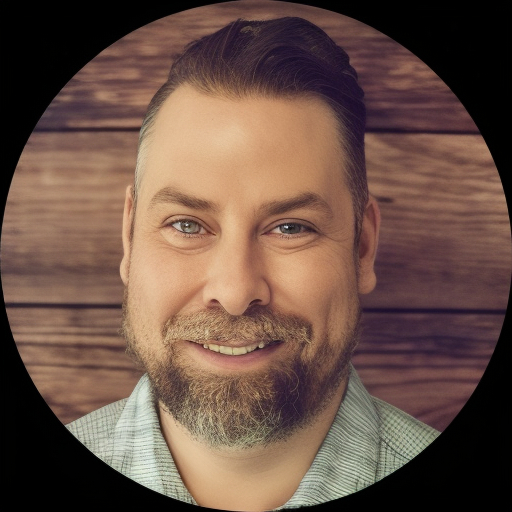
Utah · 7 yrs exp
Compassionate counselor who helps rebuild connection
Stress, Anxiety · Addictions · Trauma and abuse · Intimacy-related issues · +1 more
Read profile
Utah · 3 yrs exp
Compassionate short-term support for life transitions
LGBT · Relationship · Trauma and abuse · Self esteem · +1 more
Read profile
Utah · 4 yrs exp
Compassionate LCSW focused on recovery and connection
Addictions
Read profile
Utah · 16 yrs exp
Practical support for anxiety and loneliness
Stress, Anxiety · Relationship · Parenting · Self esteem · +1 more
Read profile
Utah · 4 yrs exp
Hopeful, values-informed clinical social worker
Stress, Anxiety · Trauma and abuse · Grief · Depression · +1 more
Read profile
Utah · 10 yrs exp
Compassionate help for loneliness and life change
Stress, Anxiety · Grief · Self esteem · Coping with life changes · +1 more
Read profile
Utah · 10 yrs exp
Practical, trauma-informed support for connection
Stress, Anxiety · Relationship · Family · Trauma and abuse · +1 more
Read profile
Utah · 4 yrs exp
Compassionate trauma-informed therapy
Stress, Anxiety · LGBT · Relationship · Family · +1 more
Read profile
Utah · 8 yrs exp
A compassionate LCSW for practical healing
Stress, Anxiety · Addictions · Family · Trauma and abuse · +1 more
Read profileFeeling alone can come after a move, a breakup, the death of someone close, retirement, illness, or for no clear reason at all. When you read profiles in this listed location you are looking to understand how different clinicians describe their work with people who feel disconnected. Profiles often mention a therapist's focus areas, ways of working, and the populations they describe helping. Those descriptions are a starting place - they are not promises of a particular outcome, and they do not replace a conversation about how you and a clinician might work together.
As you read, notice language that speaks to your situation. Some profiles emphasize practical routines and small steps that can make daily life feel steadier. Others highlight exploring meaning, interpersonal patterns, or past losses that might feed a sense of isolation. You may find therapists who list Isolation or loneliness among additional focus areas in their profiles; that note indicates the topic appears in their work, but it does not establish specialized certification or imply a formal diagnostic approach. Use the profile language to find people whose tone and focus you want to learn more about.
Profiles on this site are grouped under the listed location Utah when the clinician has indicated they are associated with that place. That grouping is not proof of an office address, physical proximity, or that a clinician has current permission to practice in every state or country. It is important to check the individual profile for details and to confirm directly with the clinician whether they are permitted to work with you where you live. If you are considering care across national borders, remember that US licensing, UK registration or membership, and Australian registration or membership are different systems. A degree such as a PhD, PsyD, MD, MA, or MSW describes academic training but does not by itself establish current permission to practice. Licenses, registrations, or professional memberships indicate a different kind of standing and are worth discussing when you make contact.
You can also look for how a clinician describes their professional identity in everyday language. A clinician who works under a state license in the US will typically mention that license. In the UK and Australia clinicians may describe registration, chartered status, or membership in professional bodies. Ask for clarification if the distinction matters to you. Profiles can help you compare how clinicians present their background, which can guide the questions you bring forward in an initial conversation.
When you reach out to a clinician, use clear questions that help you understand how they would work with loneliness specifically. You might ask whether they have experience supporting someone who felt isolated after a major life change, or how they typically help people rebuild routines and social confidence. Ask how they define connection in therapy and what small steps they suggest early on to reduce daily isolation. If a profile mentions specific approaches, you can inquire about those approaches by saying, for example, that the clinician lists a particular method among their approaches and you would like to know how they use it in sessions. Remember that a listed approach is a descriptor, not proof of a particular credential in that method.
Also discuss the practical side of working together. You may want to hear how they describe the role of collaboration in therapy, how they decide goals with clients, and what you might expect to focus on in the first few meetings. Concrete questions about how they handle emotional moments, whether they incorporate homework or small experiments, and how they help people reconnect in real life will give you a clearer picture than generic descriptions. These questions are practical tools to assess whether a clinician's style matches what you are hoping for.
If you are considering online talk care, talk openly about jurisdiction and permissions. Ask whether the clinician is permitted to work with you in your state or country, and clarify any registration or licensing terms that apply to cross-jurisdictional care. Discuss how you will manage safety concerns together - for example, where you are physically located during sessions and an agreed plan if a crisis arises. Online talk care is not a social service or a befriending service, and clinicians will set professional boundaries and limits around communication outside scheduled sessions. It is reasonable to ask how they manage boundaries and what modes of communication they use for brief check-ins, if any.
Technical and practical questions matter as well. You can ask what platform they use for sessions and what to expect if there are connection interruptions. Ask how they handle cancellations or rescheduling, and what kind of paperwork they require before beginning. If language is important to you, confirm the languages offered in the profile and how language is used during sessions. These discussions help set clear expectations and create a framework where you can focus on the work without guesswork about logistics.
Comparing profiles means looking at several dimensions at once. Some clinicians will list loneliness or isolation among their focus areas; others may describe related concerns such as grief, life transitions, social anxiety, or depressive symptoms. Read how they talk about goals - whether they mention rebuilding daily routines, strengthening social skills, exploring underlying patterns, or improving mood and energy. Compare not just what they treat but how they describe doing that work. Language in the profile can communicate whether a clinician takes a practical, skill-focused approach, or a reflective approach that emphasizes meaning and relationships.
Languages offered are often essential for feeling understood. If a profile lists multiple languages, note which ones you prefer and whether the clinician says they can work comfortably in that language. For credentials, distinguish between degrees and practice permissions. A PhD, PsyD, MD, MA, or MSW tells you about academic training. Licenses, registrations, or professional memberships speak to permission or standing in a professional system. Finally, consider style clues - do profiles emphasize collaboration, structure, or emotional exploration? Do they mention small, achievable steps or longer-term reflection? Use those cues to choose a few profiles to contact and prepare the specific questions that matter to you.
If you ever have thoughts of harming yourself or are in immediate danger, contact local emergency services right away. If you are in the United States call 988. If you are in the United Kingdom contact Samaritans at 116 123. If you are in Australia call Lifeline at 13 11 14. These resources exist for urgent help and are appropriate if you are at risk.
Profiles on this site are a tool to help you explore options in the listed location Utah. They are not a substitute for direct conversation about the scope of care a clinician offers or whether they have permission to work with you where you live. Take small steps - reading a few profiles, making brief contact, and asking concrete questions - and use those interactions to find someone whose approach and style feel like a sensible match for what you need right now.
Addictions
780 therapists
ADHD
540 therapists
Anger
882 therapists
Autism
211 therapists
Avoidant Personality
175 therapists
Chronic Illness
357 therapists
Chronic Pain
357 therapists
Depression
2910 therapists
Disability
357 therapists
Grief
1520 therapists
Guilt and Shame
2669 therapists
Intimacy Issues
457 therapists
Isolation / Loneliness
3799 therapists
Midlife Crisis
586 therapists
Mood Disorders
1359 therapists
Panic Disorder and Panic Attacks
1287 therapists
Post-Traumatic Stress
1534 therapists
Seasonal Affective Disorder (SAD)
363 therapists
Self Esteem
2605 therapists
Social Anxiety and Phobia
2219 therapists
Stress & Anxiety
3464 therapists
Trauma and Abuse
1886 therapists
Abandonment
1031 therapists
Aging and Geriatric Issues
199 therapists
Attachment Issues
1404 therapists
Career
699 therapists
Caregiver Issues and Stress
990 therapists
Codependency
389 therapists
Communication Problems
2894 therapists
Compassion Fatigue
564 therapists
Coping with Life Changes
2209 therapists
Divorce
1217 therapists
Family
1225 therapists
Family of Origin Issues
324 therapists
Forgiveness
2153 therapists
Hospice and End-of-Life Counseling
151 therapists
Life Purpose
2674 therapists
Parenting
753 therapists
Relationship
2071 therapists
Self-Love
2756 therapists
Separation
1217 therapists
Workplace Issues
1050 therapists