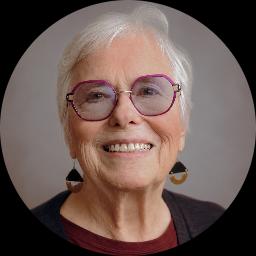
Sandra Kleven
LCSWAlaska · 35 yrs exp
Experienced Alaska therapist for loneliness and life change
Stress, Anxiety · Grief · Self esteem · Depression · +1 more
Read profileTherapists in the United States, the United Kingdom and Australia
Need to talk to someone now?Therapist listings are provided by BetterHelp. We will earn a commission at no extra cost to you if you use our links to buy.
This page gathers profiles of professionals who list loneliness and connection under the listed location Alaska. Compare focus areas, approaches, languages and credentials, browse profiles to learn more, and check each profile to confirm whether a practitioner can legally work with you where you live.
Alaska · 35 yrs exp
Experienced Alaska therapist for loneliness and life change
Stress, Anxiety · Grief · Self esteem · Depression · +1 more
Read profile
Alaska · 40 yrs exp
Experienced LCSW focused on connection
Addictions · Relationship · Trauma and abuse · Intimacy-related issues · +1 more
Read profile
Alaska · 10 yrs exp
Compassionate counselor helping reduce loneliness
Addictions · Trauma and abuse · Self esteem · Stress, Anxiety · +1 more
Read profile
Alaska · 7 yrs exp
Supportive counseling for life changes and loneliness
Addictions · Relationship · Trauma and abuse · Depression · +1 more
Read profile
Alaska · 15 yrs exp
Warm, reflective therapy for connection
Stress, Anxiety · Addictions · Trauma and abuse · Coping with life changes · +5 more
Read profileFeeling isolated after a move, loss, breakup, retirement, illness or for no clear reason is common and often painful. You are not to blame for feeling this way, and small practical steps can make a difference in how you experience connection and confidence day to day. When you are exploring professionals who list loneliness and connection, look for profiles that speak to the parts of your life most affected - whether that is motivation, sleep and routine, grief, social anxiety or a life transition. Your experience may be shaped by where you live in Alaska - distances between communities, seasonal changes in daylight, and travel constraints can all affect how you find and maintain social contact.
It helps to set realistic goals with any practitioner you contact. Some people want help building social skills and routines, others want support processing loss or adjusting to a new setting. Online talk therapy is a form of psychological support, not a social service or a befriending service, and it does not replace practical community resources. If you have immediate thoughts of harming yourself, please contact local emergency services or a crisis line right away - in the United States call 988, in the United Kingdom call Samaritans at 116 123, and in Australia call Lifeline at 13 11 14.
The listed location groups profiles under Alaska for search and comparison; it does not by itself guarantee a therapist keeps an office in your town or that they are currently permitted to practice where you live. You should review each profile carefully and ask the practitioner to confirm whether they can legally work with you in your state or country. Professionals in the directory may be based in the United States, the United Kingdom, Australia or elsewhere, and professional permission to practise is described differently across those systems. In the United States you will often see references to state licensing; in the United Kingdom and Australia you may see references to registration, accreditation or membership with professional bodies. A degree such as PhD, PsyD, MD, MA or MSW describes academic credentials but does not by itself show current permission to practise. When a profile lists a degree, treat it as one piece of information and look for additional statements about registration, licensure or membership relevant to where you live.
Because regulations differ by country and by state, ask direct questions if you need clarity. Confirm in writing whether the practitioner is authorized to provide care where you live, and whether they follow local rules for telehealth if you plan to connect online from Alaska. Profiles help you compare, but the clearest way to know is to check the individual profile and ask the practitioner to confirm permission to work together where you live.
When you reach out to someone whose profile interests you, specific questions will give you a better sense of whether their way of working fits your needs. Ask how they describe their work with loneliness and isolation - do they focus on social skills, grief, rebuilding routine, coping with chronic illness, or navigating relationship endings? You can ask about the kinds of life situations they have experience with and whether they have worked with people of similar age, culture or life stage to you. If you see therapeutic approaches listed, remember that a profile may say a therapist lists EMDR among their approaches or mentions cognitive behavioral, psychodynamic, interpersonal or mindfulness-based practices; these are options to discuss, not guarantees of training or outcomes.
Useful lines of inquiry include asking how they help people set short-term and longer-term goals, what typical sessions involve for someone concerned about loneliness, and how they adapt their work for cultural background or language needs. You might ask whether they coordinate with other supports such as medical providers or community programs, and how they measure progress in ways that matter to you. Asking these concrete questions helps you move beyond general descriptions and imagine what working together might actually feel like.
If you plan to connect online from Alaska, there are practical and safety topics to cover before the first session. Confirm that the practitioner can lawfully provide services to someone in your state or country, and discuss time differences and scheduling norms so you know what to expect. Ask how they handle privacy and data practices for online sessions - what platform they use, how recordings are managed if any, and what they recommend for your own setting to protect your conversation. It is reasonable to talk about how they manage emergencies, including what local resources or crisis contacts they will use if you are in immediate danger.
Clarify boundaries around communication outside sessions - for example, how to reach them in an urgent situation and what kinds of messages they respond to between appointments. Discuss practicalities such as what to do if a connection drops mid-session, whether they require a particular app or browser, and what to expect regarding session length and structure. Be mindful that online talk therapy is not the same as joining a peer group or a befriending program; if you need practical community assistance, your practitioner can help you find local supports in Alaska but the clinical relationship has its own aims and limits.
Comparing profiles is about matching what matters to you. Read descriptions of focus areas to see if a practitioner mentions loneliness, social isolation, grief, relocation, aging, or other circumstances that resonate with your situation. Look for language information so you can find someone who can speak with you in the language you prefer. When profiles list credentials, note degrees such as PhD, PsyD, MD, MA or MSW separately from any statements about licensure, registration or professional membership. If you live in the United States, ask about state licensing; if you are in the United Kingdom or Australia, ask about relevant registration or professional body membership and what that implies for practice where you live.
Style and therapeutic fit are often the hardest things to judge from words on a page. Pay attention to how a practitioner describes their style - whether they emphasize practical tools, reflective exploration, collaborative problem solving, or support through transitions. Think about the tone that would help you feel comfortable and effective - some people prefer a direct, structured approach, while others want a more exploratory or emotionally focused style. Use profile language to create a short list of candidates, then reach out with a few of the comparison questions you find most important. Asking to clarify focus areas, languages, professional permissions and the kinds of outcomes they aim to support will give you the information you need to choose who to contact next.
Remember that a profile is a starting point for conversation, not a promise of friendship or a cure. If you are unsure where to start, pick one or two concrete questions that matter most to you and use them to guide an initial message. Checking profiles and asking clear questions helps you move toward the kind of support that fits your life and the particular challenges of feeling disconnected in Alaska.
Addictions
780 therapists
ADHD
540 therapists
Anger
882 therapists
Autism
211 therapists
Avoidant Personality
175 therapists
Chronic Illness
357 therapists
Chronic Pain
357 therapists
Depression
2910 therapists
Disability
357 therapists
Grief
1520 therapists
Guilt and Shame
2669 therapists
Intimacy Issues
457 therapists
Isolation / Loneliness
3799 therapists
Midlife Crisis
586 therapists
Mood Disorders
1359 therapists
Panic Disorder and Panic Attacks
1287 therapists
Post-Traumatic Stress
1534 therapists
Seasonal Affective Disorder (SAD)
363 therapists
Self Esteem
2605 therapists
Social Anxiety and Phobia
2219 therapists
Stress & Anxiety
3464 therapists
Trauma and Abuse
1886 therapists
Abandonment
1031 therapists
Aging and Geriatric Issues
199 therapists
Attachment Issues
1404 therapists
Career
699 therapists
Caregiver Issues and Stress
990 therapists
Codependency
389 therapists
Communication Problems
2894 therapists
Compassion Fatigue
564 therapists
Coping with Life Changes
2209 therapists
Divorce
1217 therapists
Family
1225 therapists
Family of Origin Issues
324 therapists
Forgiveness
2153 therapists
Hospice and End-of-Life Counseling
151 therapists
Life Purpose
2674 therapists
Parenting
753 therapists
Relationship
2071 therapists
Self-Love
2756 therapists
Separation
1217 therapists
Workplace Issues
1050 therapists