
Kristyn "Kris" Hamblin
LPCOregon · 13 yrs exp
Practical, compassionate counseling for daily struggles
Stress, Anxiety · Addictions · Trauma and abuse · Parenting · +1 more
Read profileTherapists in the United States, the United Kingdom and Australia
Need to talk to someone now?Therapist listings are provided by BetterHelp. We will earn a commission at no extra cost to you if you use our links to buy.
This page groups profiles listed in Oregon by therapists who note isolation or loneliness among their focus areas. Use the profile details to compare focus areas, credentials, languages and therapeutic approach, then browse profiles to learn more.
Oregon · 13 yrs exp
Practical, compassionate counseling for daily struggles
Stress, Anxiety · Addictions · Trauma and abuse · Parenting · +1 more
Read profile
Oregon · 16 yrs exp
Compassionate, practical support for life changes
Stress, Anxiety · Grief · Self esteem · Depression · +1 more
Read profile
Oregon · 10 yrs exp
Compassionate, practical support for difficult life challenges
Stress, Anxiety · Relationship · Trauma and abuse · Intimacy-related issues · +6 more
Read profile
Oregon · 3 yrs exp
Practical support for changing, lonely times
Self esteem · Coping with life changes · Compassion fatigue
Read profile
Oregon · 5 yrs exp
Supportive counselor focused on practical change
Stress, Anxiety · LGBT · Trauma and abuse · Depression · +1 more
Read profile
Oregon · 13 yrs exp
Compassionate therapist focused on practical change
Addictions · Relationship · Anger · Self esteem · +1 more
Read profile
Oregon · 19 yrs exp
Calm, practical therapy for life transitions
Stress, Anxiety · Relationship · Grief · Self esteem · +1 more
Read profile
Oregon · 11 yrs exp
Calm practical support for overwhelmed people
Stress, Anxiety · Relationship · Family · Depression · +1 more
Read profile
Oregon · 3 yrs exp
Practical, strengths-focused counselor
Stress, Anxiety · Relationship · Grief · Coping with life changes · +1 more
Read profile
Oregon · 10 yrs exp
Supportive LCSW helping with stress and grief
Stress, Anxiety · Relationship · Grief · Self esteem · +1 more
Read profile
Oregon · 12 yrs exp
Support for stress and relationships
Stress, Anxiety · Relationship · Family · Parenting · +1 more
Read profile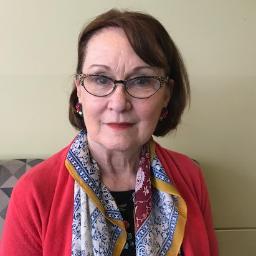
Oregon · 20 yrs exp
Compassionate counselor for life changes
Grief · Career · Depression · Coping with life changes · +1 more
Read profile
Oregon · 12 yrs exp
Compassionate, practical support for stress and trauma
Stress, Anxiety · Trauma and abuse · Grief · Coping with life changes · +1 more
Read profile
Oregon · 10 yrs exp
Compassionate trauma-informed care for daily life
Stress, Anxiety · Trauma and abuse · Depression · Coping with life changes · +1 more
Read profileIf you are feeling disconnected after a move, a breakup, retirement, loss, illness or for no obvious reason, you are not to blame and the experience is common. Loneliness can affect how you feel about yourself, your motivation and your daily routines, so one helpful first step is noticing small, manageable changes you would like to make. You do not need a big plan to begin - sometimes a short conversation to name what is most difficult gives you useful direction. Many people find it helpful to think in terms of connection, confidence and routine - connection that feels meaningful to you, small steps that build confidence, and predictable habits that anchor your day.
When you look through profiles, pay attention to descriptions that speak to your immediate concerns. Some therapists frame their work around rebuilding social skills, adapting to life transitions, coping after loss or addressing feelings of shame and avoidance that make connection harder. Others focus on supporting people to create routines or practise self-compassion. Reading these descriptions can help you identify professionals who describe experience with situations like yours, but it is not a guarantee of a particular outcome. Use what you read to shape the next conversation, not as a final judgement about fit.
The directory groups profiles under a listed location of Oregon, but that grouping does not by itself confirm an office address, ongoing in-person practice there, or automatic permission to work with you where you live. Profiles may belong to practitioners based in different places or serving clients across regions. Always check the individual profile and ask the practitioner directly whether they are permitted to provide services to people in your state or country before proceeding.
Credentials you see in profiles can include academic degrees and professional registrations or licenses. Degrees such as PhD, PsyD, MD, MA and MSW indicate completed graduate study. In the United States, many clinicians also hold a state license - for example a clinical psychologist license or clinical social work license - which is different from an academic degree. In the United Kingdom and Australia, professionals may list registration or membership with national or professional bodies rather than a state license. A degree alone does not confirm current permission to practice; registration or licensure information and the clinician’s confirmation are the key details to verify. If professional status is important to you, include that as a question when you reach out to a profile that feels relevant.
Once you identify profiles that look promising, prepare a few concrete questions to learn how a practitioner might work with you. Ask what they consider most helpful when someone comes to them feeling lonely, and how they typically begin that work. Ask whether they have experience supporting people who share circumstances similar to yours - for example a recent move, long-term caregiving, retirement, or chronic illness - and what differences you might expect in early sessions.
Therapy can involve a range of approaches and ways of working. You can ask practitioners to describe their approach in plain language and to give an example of what a typical session might include. If a profile lists particular modalities or tools among their approaches, you might say, "I see you list EMDR among your approaches- how might that be used with someone feeling isolated?" That phrasing acknowledges the listing while inviting explanation. Also ask about practical matters that shape the working relationship, such as how goals are set, how progress is reviewed and what kind of homework or practice - if any - is suggested between meetings. These concrete questions help you compare practitioners on how they describe their style and priorities.
If you plan to work online, there are several specific topics to cover before starting. Confirm whether the therapist is permitted to provide care to people where you live, given cross-state and international practice rules. Discuss the platform or app you will use and what to expect if a session is interrupted, along with how messaging or between-session contact is handled. Ask about how your personal information is stored and what privacy practices the clinician follows, so you understand how your information is managed.
It helps to agree on what will happen in a crisis and who to contact for immediate help. If you have thoughts of harming yourself or are in immediate danger, contact local emergency services or a crisis line right away. In the United States call 988, in the United Kingdom call Samaritans at 116 123, and in Australia call Lifeline at 13 11 14. Online talk therapy is not a social service or befriending service - it is a professional space to talk through difficult feelings with someone who can help you explore options and coping strategies. Make sure you understand how the clinician handles urgent concerns and whether you should use local emergency numbers in your area when needed.
When comparing profiles, focus on the elements that most affect your sense of fit. Look at the focus areas and how prominently loneliness, social withdrawal, grief or transitional challenges are described. Read language availability carefully - communicating in your preferred language can greatly affect how easy it feels to open up. Check whether the profile lists degrees and whether it also mentions a professional registration or license - treat degrees and licenses as distinct pieces of information. Consider how a practitioner describes their therapeutic style: do they emphasize practical skills, emotional processing, behavior change, or building social confidence? Choose descriptions that align with the kind of support you want to try.
Think about cultural background, lived experience and affinity that might matter to you. Some profiles will describe work with specific communities or life stages; if that is important say so when you reach out. Use concrete comparison questions such as: Which focus areas are most central in this profile? What languages does this person list? What degrees and professional registrations are named, and how do they explain their approach? How do they describe sessions and the relationship you can expect? These direct questions will help you make sense of the profiles and prepare for a first conversation.
Taking the next step can feel hard, but learning what to look for and asking targeted questions makes it easier to find a match that feels right for you. Start by browsing profiles, then reach out with the specific questions that matter most to your situation. If at any time you feel you are at immediate risk or in crisis, contact local emergency services or the crisis lines provided above. You do not have to figure everything out alone - one careful conversation can be the beginning of clearer direction and more manageable steps toward connection.
Addictions
780 therapists
ADHD
540 therapists
Anger
882 therapists
Autism
211 therapists
Avoidant Personality
175 therapists
Chronic Illness
357 therapists
Chronic Pain
357 therapists
Depression
2910 therapists
Disability
357 therapists
Grief
1520 therapists
Guilt and Shame
2669 therapists
Intimacy Issues
457 therapists
Isolation / Loneliness
3799 therapists
Midlife Crisis
586 therapists
Mood Disorders
1359 therapists
Panic Disorder and Panic Attacks
1287 therapists
Post-Traumatic Stress
1534 therapists
Seasonal Affective Disorder (SAD)
363 therapists
Self Esteem
2605 therapists
Social Anxiety and Phobia
2219 therapists
Stress & Anxiety
3464 therapists
Trauma and Abuse
1886 therapists
Abandonment
1031 therapists
Aging and Geriatric Issues
199 therapists
Attachment Issues
1404 therapists
Career
699 therapists
Caregiver Issues and Stress
990 therapists
Codependency
389 therapists
Communication Problems
2894 therapists
Compassion Fatigue
564 therapists
Coping with Life Changes
2209 therapists
Divorce
1217 therapists
Family
1225 therapists
Family of Origin Issues
324 therapists
Forgiveness
2153 therapists
Hospice and End-of-Life Counseling
151 therapists
Life Purpose
2674 therapists
Parenting
753 therapists
Relationship
2071 therapists
Self-Love
2756 therapists
Separation
1217 therapists
Workplace Issues
1050 therapists