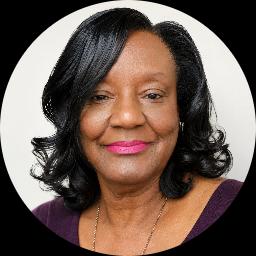
Barbara Watson
LCSWLouisiana · 25 yrs exp
Practical social work for stress and anxiety
Stress, Anxiety · Family · Anger · Self esteem · +1 more
Read profileTherapists in the United States, the United Kingdom and Australia
Need to talk to someone now?Therapist listings are provided by BetterHelp. We will earn a commission at no extra cost to you if you use our links to buy.
Use the profiles below to compare therapists who list panic disorder and panic attacks alongside work with loneliness and connection. Review listed approaches, credentials, languages and the therapist's stated focus, then browse profiles to learn more.
Louisiana · 25 yrs exp
Practical social work for stress and anxiety
Stress, Anxiety · Family · Anger · Self esteem · +1 more
Read profile
Missouri · 22 yrs exp
Practical counseling for mood and connection
Stress, Anxiety · Addictions · Self esteem · Bipolar · +1 more
Read profile
Illinois · 39 yrs exp
Supportive LCSW focused on everyday coping
Stress, Anxiety · Relationship · Grief · Sleeping · +1 more
Read profile
Massachusetts · 30 yrs exp
Thirty years helping people find connection
Stress, Anxiety · Addictions · Relationship · Trauma and abuse · +1 more
Read profile
Alabama · 9 yrs exp
Compassionate counselor focused on practical steps
Stress, Anxiety · Trauma and abuse · Self esteem · Bipolar · +1 more
Read profile
Oklahoma · 30 yrs exp
Compassionate counselor focused on strengths
Stress, Anxiety · Family · Trauma and abuse · Grief · +6 more
Read profile
Florida · 18 yrs exp
Compassionate guidance for lasting change
Addictions · LGBT · Trauma and abuse · Eating
Read profile
Michigan · 27 yrs exp
Compassionate social worker helping people move forward
Stress, Anxiety · Addictions · Trauma and abuse · Depression · +1 more
Read profile
Minnesota · 3 yrs exp
Compassionate psychologist focused on practical change
Stress, Anxiety · Addictions · Relationship · Trauma and abuse · +8 more
Read profile
Texas · 24 yrs exp
Experienced counselor focused on practical support
Stress, Anxiety · Relationship · Family · Trauma and abuse · +2 more
Read profile
South Dakota · 8 yrs exp
Practical support for stress and life change
Stress, Anxiety · Relationship · Trauma and abuse · Career · +1 more
Read profile
New York · 8 yrs exp
Supportive LCSW focused on practical change
Stress, Anxiety · Addictions · Trauma and abuse · Anger · +1 more
Read profile
Michigan · 10 yrs exp
Helping people find steady steps forward
Stress, Anxiety · Relationship · Family · Trauma and abuse · +9 more
Read profile
United Kingdom · 8 yrs exp
Compassionate counsellor for isolation and anxiety
Stress, Anxiety · Trauma and abuse · Grief · Self esteem · +6 more
Read profile
Maryland · 20 yrs exp
Kind, experienced Maryland LCSW-C
Stress, Anxiety · Relationship · Family · Grief · +1 more
Read profile
North Dakota · 31 yrs exp
Compassionate LCSW with decades of experience
Stress, Anxiety · Relationship · Trauma and abuse · Grief · +1 more
Read profile
United Kingdom · 7 yrs exp
Compassionate counsellor for loneliness and change
Stress, Anxiety · Addictions · Self esteem · Depression · +5 more
Read profile
United Kingdom · 10 yrs exp
Calm practical counselling for everyday struggles
Stress, Anxiety · Addictions · Grief · Parenting · +4 more
Read profile
United Kingdom · 7 yrs exp
Experienced counsellor for loneliness and loss
Relationship · Trauma and abuse · Grief · Self esteem · +12 more
Read profile
United Kingdom · 15 yrs exp
A warm, person-centred counsellor
Stress, Anxiety · Relationship · Family · Grief · +9 more
Read profile
United Kingdom · 8 yrs exp
Calm, practical counselling for everyday strain
Stress, Anxiety · Trauma and abuse · Self esteem · Depression · +7 more
Read profile
United Kingdom · 11 yrs exp
A person-centred counsellor for people feeling stuck
Stress, Anxiety · Grief · Self esteem · Depression · +8 more
Read profile
United Kingdom · 4 yrs exp
Calm, practical counselling for everyday struggles
Stress, Anxiety · Depression · Relationship · Family · +10 more
Read profile
United Kingdom · 10 yrs exp
A compassionate counsellor for relationship and mood struggles
Stress, Anxiety · Relationship · Trauma and abuse · Self esteem · +1 more
Read profilePanic attacks can arrive suddenly and feel overwhelming, leaving you shaken, breathless, and unsure what will happen next. Living with panic disorder often means you may change routines or avoid situations out of concern that an attack could occur. When panic becomes a frequent presence, it can deepen feelings of isolation or make it harder to reach out to others. You are not to blame for these reactions; they are responses to intense physical and emotional signals that deserve attention and care.
Many people who look for support here are also navigating loneliness or a sense of disconnection after a life change - a move, a breakup, health worries, retirement, or loss. Those experiences do not necessarily cause panic disorder, and panic does not always stem from loneliness, but the two can interact in ways that make daily life harder. If you are having thoughts of harming yourself or feel you are at immediate risk, contact emergency services where you are located or a crisis line right away - in the United States call 988, in the United Kingdom call Samaritans at 116 123, and in Australia call Lifeline at 13 11 14.
When panic attacks and loneliness appear together, they can influence one another. Panic attacks may make you less willing to attend social events, which can reduce opportunities for connection. Conversely, long-term isolation or feeling disconnected may leave you more vulnerable to stressors that trigger panic. It is important to remember that the directory groups profiles that list both topics as focus areas; this does not establish a diagnosis or a cause-and-effect relationship.
In practice, exploring both panic symptoms and experiences of loneliness often means addressing immediate coping strategies for intense moments as well as patterns that affect your day-to-day social life. That might include discussing ways to build small routines that feel manageable, experimenting with gradual social steps that respect your comfort, and learning techniques to reduce the intensity of panic sensations when they occur. Different therapists and approaches described in profiles may emphasize various pathways to support - the key is to identify what fits your needs and preferences.
When you read profiles, think about concrete questions you can raise with a therapist to learn how they work and whether it aligns with your goals. You might ask how they describe their experience working with panic attacks and panic disorder, and whether they also list loneliness or social disconnection among their focus areas. Ask which approaches they list and how those approaches are typically used in sessions, keeping in mind that a profile note that a therapist lists a method does not prove formal certification or a specific training level - it simply indicates an approach they include.
Clarify practical details you care about, such as the age groups they state they work with and whether they describe experience with related concerns like health anxiety, agoraphobia, or social withdrawal. For professionals in the United States, profiles may note a state license; for those in the United Kingdom, you may see references to registration or professional membership; and for practitioners in Australia, profiles may mention registration or association membership. Distinguish these regulatory notes from academic degrees: a PhD, PsyD, MD, MA or MSW indicates a degree, but a degree alone does not establish current permission to practice. Ask directly about the therapist's scope of practice and whether they commonly collaborate with other supports you might have, such as primary care or a local crisis service.
If you are considering remote sessions or online talk therapy, there are specific points to cover so you know what to expect. Talk about how they manage moments when a panic attack occurs during a session and what they suggest as immediate steps you can take if an attack begins between appointments. Ask about the therapist's preferred ways to communicate appointment changes or check-ins, and whether they have recommended resources or exercises for calmer moments. Remember that online therapy is not a befriending or social service; its purpose is therapeutic support and skill-building rather than arranging social activities or ongoing companionship.
Because the directory includes professionals in different countries, confirm time zone details based on the therapist's listed location and discuss boundaries around session times and communication. If you have concerns about crisis planning, ask whether they have a plan for times you may need urgent help and how they recommend you access local emergency services. It is reasonable to request clarity on practical matters like cancellation policies and session length, and to make sure you understand how the therapist documents progress and what to expect from the early sessions in terms of assessment and goal-setting.
Comparing profiles effectively means looking for the specific information that matters to you. Start with the stated focus areas: does the profile explicitly mention panic attacks and panic disorder, and does it also list loneliness, social connection, or related concerns that match your experience? Next, check the approaches the therapist lists. If you are curious about a particular method, look for phrasing such as "therapists who list exposure-based strategies among their approaches" or "clinicians who list mindfulness-informed work," and plan to ask how the approach might be used in your care. Remember that a listed approach is a starting point for conversation, not a guarantee of specialized certification.
Languages and communication style are practical comparators. If you prefer to speak in a language other than English, search profiles for language information and consider asking about the therapist's experience working across cultural or linguistic backgrounds. Assess credentials by noting degrees separately from licensing or registration statements. A profile may show a degree like PhD or MSW; you can follow up to learn whether the therapist holds a current license, registration, or professional membership in their country, and what that means for their practice.
Finally, consider the tone and style reflected in profiles and descriptions. Some therapists may highlight a calm, skills-based approach, while others describe work that focuses on building social routines or re-engaging with community. Think about what feels achievable for you right now - small, steady steps toward connection, practices to manage the next panic episode, or a combination of both - and look for profiles that clearly communicate a fit with those preferences. Use the profile's listed location to confirm the general region they work from, but always ask directly about scope, experience, and how they approach the particular mix of panic and loneliness you are experiencing.
Taking these steps can help you move from feeling stuck to making informed choices about who you might speak with. Browse profiles below, note a few that feel like a match, and prepare the questions that matter to you. If you ever feel in immediate danger or overwhelmed, reach out to emergency services or a crisis line in your country: US 988, UK Samaritans 116 123, AU Lifeline 13 11 14.
Alabama
46 therapists
Alaska
5 therapists
Arizona
39 therapists
Arkansas
27 therapists
Australia
104 therapists
California
372 therapists
Colorado
58 therapists
Connecticut
39 therapists
Delaware
4 therapists
District of Columbia
7 therapists
Florida
197 therapists
Georgia
66 therapists
Hawaii
9 therapists
Idaho
10 therapists
Illinois
135 therapists
Indiana
58 therapists
Iowa
9 therapists
Kansas
32 therapists
Kentucky
41 therapists
Louisiana
49 therapists
Maine
10 therapists
Maryland
49 therapists
Massachusetts
60 therapists
Michigan
129 therapists
Minnesota
42 therapists
Mississippi
33 therapists
Missouri
59 therapists
Montana
11 therapists
Nebraska
14 therapists
Nevada
10 therapists
New Hampshire
8 therapists
New Jersey
88 therapists
New Mexico
11 therapists
New York
301 therapists
North Carolina
62 therapists
North Dakota
3 therapists
Ohio
99 therapists
Oklahoma
49 therapists
Oregon
14 therapists
Pennsylvania
120 therapists
Rhode Island
7 therapists
South Carolina
35 therapists
South Dakota
6 therapists
Tennessee
48 therapists
Texas
329 therapists
United Kingdom
704 therapists
Utah
24 therapists
Vermont
5 therapists
Virginia
56 therapists
Washington
44 therapists
West Virginia
5 therapists
Wisconsin
51 therapists
Wyoming
6 therapists