
Larry Wyatt
LPCGeorgia · 12 yrs exp
Compassionate counselor helping people find balance
Stress, Anxiety · Addictions · Trauma and abuse · Anger · +1 more
Read profileTherapists in the United States, the United Kingdom and Australia
Need to talk to someone now?Therapist listings are provided by BetterHelp. We will earn a commission at no extra cost to you if you use our links to buy.
Compare profiles of professionals who list Workplace Issues alongside related concerns such as loneliness and connection. Browse profiles to review focus areas, approaches, languages, credentials, and listed location before reaching out.
Georgia · 12 yrs exp
Compassionate counselor helping people find balance
Stress, Anxiety · Addictions · Trauma and abuse · Anger · +1 more
Read profile
Florida · 20 yrs exp
Practical therapy for stress and relationships
Stress, Anxiety · Trauma and abuse · Anger · Self esteem · +1 more
Read profile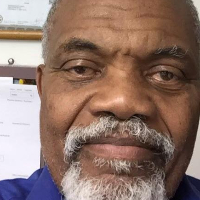
Illinois · 39 yrs exp
Supportive LCSW focused on everyday coping
Stress, Anxiety · Relationship · Grief · Sleeping · +1 more
Read profile
Massachusetts · 30 yrs exp
Thirty years helping people find connection
Stress, Anxiety · Addictions · Relationship · Trauma and abuse · +1 more
Read profile
Minnesota · 3 yrs exp
Compassionate psychologist focused on practical change
Stress, Anxiety · Addictions · Relationship · Trauma and abuse · +8 more
Read profile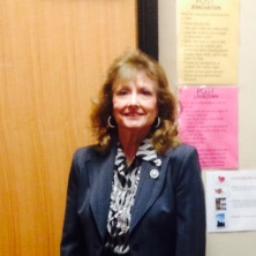
Texas · 24 yrs exp
Experienced counselor focused on practical support
Stress, Anxiety · Relationship · Family · Trauma and abuse · +2 more
Read profile
Michigan · 20 yrs exp
Compassionate social worker for adults
Stress, Anxiety · Trauma and abuse · Grief · Depression · +1 more
Read profile
South Dakota · 8 yrs exp
Practical support for stress and life change
Stress, Anxiety · Relationship · Trauma and abuse · Career · +1 more
Read profile
Michigan · 10 yrs exp
Helping people find steady steps forward
Stress, Anxiety · Relationship · Family · Trauma and abuse · +9 more
Read profile
Maryland · 20 yrs exp
Kind, experienced Maryland LCSW-C
Stress, Anxiety · Relationship · Family · Grief · +1 more
Read profile
United Kingdom · 15 yrs exp
Kind, client-centred counselling for life changes
Stress, Anxiety · Relationship · Trauma and abuse · Depression · +1 more
Read profile
United Kingdom · 10 yrs exp
Calm practical counselling for everyday struggles
Stress, Anxiety · Addictions · Grief · Parenting · +4 more
Read profile
Florida · 10 yrs exp
Compassionate counselor for life transitions
Relationship · Family · Parenting · Depression · +5 more
Read profile
United Kingdom · 15 yrs exp
A warm, person-centred counsellor
Stress, Anxiety · Relationship · Family · Grief · +9 more
Read profile
Washington · 15 yrs exp
Compassionate support for stress and isolation
Stress, Anxiety · Grief · Self esteem · Depression · +1 more
Read profile
United Kingdom · 4 yrs exp
Calm, practical counselling for everyday struggles
Stress, Anxiety · Depression · Relationship · Family · +10 more
Read profile
United Kingdom · 5 yrs exp
Responsive counsellor for isolation and change
Stress, Anxiety · Self esteem · Career · Depression · +1 more
Read profile
Florida · 25 yrs exp
Experienced counselor for life transitions
Stress, Anxiety · Addictions · Relationship · Depression · +1 more
Read profile
United Kingdom · 3 yrs exp
Understanding, practical, client-led counselling
Relationship · Family · Grief · Self esteem · +1 more
Read profile
New Jersey · 25 yrs exp
Calm, practical support for life changes
Relationship · Trauma and abuse · Self esteem · Depression · +1 more
Read profile
United Kingdom · 7 yrs exp
Supportive counsellor helping people through life changes
Stress, Anxiety · Trauma and abuse · Grief · Self esteem · +1 more
Read profile
New York · 25 yrs exp
Compassionate, practical therapy for life transitions
Stress, Anxiety · Relationship · Trauma and abuse · Grief · +1 more
Read profile
United Kingdom · 5 yrs exp
Compassionate counsellor blending person-centred care
Career · Coping with life changes · Coaching · Stress, Anxiety · +11 more
Read profile
United Kingdom · 3 yrs exp
Experienced psychotherapeutic counsellor for life transitions
Stress, Anxiety · Relationship · Trauma and abuse · Grief · +6 more
Read profileWhen work feels difficult, it can touch more than your day-to-day tasks. You may notice less contact with colleagues, a sense of being unseen, or a shrinking of the informal connections that used to make work feel livable. These experiences do not mean there is something wrong with you. They are common responses to job changes, remote or hybrid schedules, transitions in role or team culture, or repeated experiences of misunderstanding or exclusion.
You might be looking for ways to rebuild confidence, set boundaries, or find belonging in a role that now feels isolating. Or you may simply want to understand how workplace dynamics affect your relationships outside of work. Therapy can be a place to explore these themes, to experiment with small behavioral changes, and to clarify what matters most to you in a working life and in your social connections. Keep in mind that profiles on this page group professionals who list Workplace Issues as a focus area; that listing does not by itself speak to a clinician’s licensing status or to a formal specialty accreditation.
Begin by thinking about the specific work-related concerns you want to address. Are you dealing with chronic stress and burnout, repeated conflict, an abusive environment, uncertainty after a layoff or return from absence, or difficulty relating to remote colleagues? Do you want to build skills for assertive communication, improve professional confidence, or process the emotional impact of a workplace loss? Naming your priorities can make it easier to compare profiles and to write a clear message when you contact a professional.
As you read profiles, note how clinicians describe their experience with workplace dynamics and interpersonal patterns. Ask questions such as whether they have experience supporting people through career transitions, negotiating boundaries, or recovering from harassment or microaggressions. Ask how they typically work with issues that blend performance concerns and emotional wellbeing, and whether they describe a practical, skills-focused style, a reflective explorative style, or a mix of approaches. These are practical starting points for deciding who might feel like a good fit for the kind of support you want.
Profiles list degrees, professional registrations, and the therapeutic approaches a clinician uses. Degrees such as PhD, PsyD, MD, MA, or MSW indicate a clinician’s academic training, but a degree alone does not establish permission to practice. In the United States, clinicians typically hold a professional license to practice in a state. In the United Kingdom and Australia, clinicians may be registered with a statutory board or be members of recognized professional bodies. Read each profile carefully to see how a clinician represents their qualifications and scope of practice for their listed location.
Therapeutic approaches appear in many profiles, and they represent styles or frameworks you can discuss with a clinician. You might encounter mentions of cognitive-behavioral techniques, psychodynamic perspectives, acceptance-based work, interpersonal approaches, or other options. For example, you may find therapists who list EMDR among their approaches; that phrasing indicates the approach is included on a profile, not that it is universally used by all clinicians in a category. Treat descriptions of approach as conversation starters: ask how a clinician adapts methods to workplace-related concerns, and whether they tailor their work to practical problem solving, emotional processing, or both.
If you plan to start care remotely, there are practical topics that help set expectations. Talk about session length and rhythm, how goals will be set and reviewed, and what a typical session structure looks like for them. Ask about their privacy and record-keeping practices and how they handle notes and communications between sessions. If you want reminders or check-ins, ask what kind of between-session contact, if any, is customary for that clinician.
Confirm whether the clinician is permitted to practice with people in your jurisdiction and how they describe their scope of practice for workplace issues. Clarify the populations they work with, because a focus on workplace matters does not automatically mean a clinician treats adolescents, couples, or families. Also raise practical questions about technology - whether they use video, audio-only, or other formats - so you can prepare your environment and connectivity. Remember that online care is not a social service or a befriending service; it is a professional relationship focused on therapeutic goals rather than companionship.
When you compare profiles, start with focus areas and the language used in each bio. Some professionals will describe specific workplace topics such as performance anxiety, career transition, harassment recovery, or boundary-setting, while others emphasize broader themes like isolation or interpersonal patterns. Look for profiles that mention the particular workplace experience that resonates with you. Language offerings are also important - clinicians who list multiple languages may help you express nuances you might find difficult to translate into another language.
Pay close attention to how clinicians describe their professional background. Profiles that list academic degrees should also indicate whether the clinician is licensed, registered, or is a member of a professional association in their listed location. In the United States that often means a state license; in the United Kingdom and Australia it can mean registration or membership with a recognized body. Use that information to form questions about scope and practice rather than assuming a degree provides the same permissions as a license or registration.
Style matters as much as technical qualifications. Read bios for clues about whether a clinician tends to be practical and directive, exploratory and reflective, or integrative. Notice whether they mention goal-setting, skills practice, or narrative exploration, and consider whether that aligns with how you prefer to work. Some profiles include short case examples or statements about what a client might expect in early sessions - these can help you sense whether a clinician’s tone matches yours. Ultimately, the best match depends on the specific support you want, how you prefer to work, and how comfortable you feel with the clinician’s communication style.
If you are feeling overwhelmed, distressed, or are having thoughts of harming yourself, contact local emergency services or a crisis line right away. In the United States call 988, in the United Kingdom contact Samaritans at 116 123, and in Australia call Lifeline at 13 11 14. These resources can provide immediate support while you consider longer-term options.
Comparing profiles is a step toward finding a clinician who can help you explore workplace-related loneliness and rebuild a sense of connection and confidence. Read bios with attention to focus areas, approach language, credentials, listed location, and the tone of each profile. Use those observations to prepare specific questions so your first conversation is focused and useful. You do not have to have everything figured out before reaching out; a clear sense of what you want to address will help you choose a profile to contact and begin the work of feeling less alone at and beyond work.
Alabama
46 therapists
Alaska
5 therapists
Arizona
39 therapists
Arkansas
27 therapists
Australia
104 therapists
California
372 therapists
Colorado
58 therapists
Connecticut
39 therapists
Delaware
4 therapists
District of Columbia
7 therapists
Florida
197 therapists
Georgia
66 therapists
Hawaii
9 therapists
Idaho
10 therapists
Illinois
135 therapists
Indiana
58 therapists
Iowa
9 therapists
Kansas
32 therapists
Kentucky
41 therapists
Louisiana
49 therapists
Maine
10 therapists
Maryland
49 therapists
Massachusetts
60 therapists
Michigan
129 therapists
Minnesota
42 therapists
Mississippi
33 therapists
Missouri
59 therapists
Montana
11 therapists
Nebraska
14 therapists
Nevada
10 therapists
New Hampshire
8 therapists
New Jersey
88 therapists
New Mexico
11 therapists
New York
301 therapists
North Carolina
62 therapists
North Dakota
3 therapists
Ohio
99 therapists
Oklahoma
49 therapists
Oregon
14 therapists
Pennsylvania
120 therapists
Rhode Island
7 therapists
South Carolina
35 therapists
South Dakota
6 therapists
Tennessee
48 therapists
Texas
329 therapists
United Kingdom
704 therapists
Utah
24 therapists
Vermont
5 therapists
Virginia
56 therapists
Washington
44 therapists
West Virginia
5 therapists
Wisconsin
51 therapists
Wyoming
6 therapists