
Dr. Jean Kerry
LMFTFlorida · 20 yrs exp
Practical therapy for stress and relationships
Stress, Anxiety · Trauma and abuse · Anger · Self esteem · +1 more
Read profileTherapists in the United States, the United Kingdom and Australia
Need to talk to someone now?Therapist listings are provided by BetterHelp. We will earn a commission at no extra cost to you if you use our links to buy.
If chronic illness has affected your social life, mood, or daily rhythm, you can compare profiles of therapists who list this focus alongside loneliness and connection. Use the information on each profile to find clinicians whose experience, language and approach fit what matters to you.
Browse listed profiles to review focus areas, approaches, credentials and listed location, then reach out to begin a conversation about your needs.
Florida · 20 yrs exp
Practical therapy for stress and relationships
Stress, Anxiety · Trauma and abuse · Anger · Self esteem · +1 more
Read profile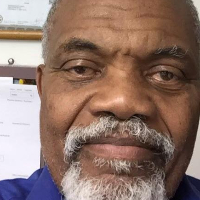
Illinois · 39 yrs exp
Supportive LCSW focused on everyday coping
Stress, Anxiety · Relationship · Grief · Sleeping · +1 more
Read profile
Oklahoma · 30 yrs exp
Compassionate counselor focused on strengths
Stress, Anxiety · Family · Trauma and abuse · Grief · +6 more
Read profile
Michigan · 27 yrs exp
Compassionate social worker helping people move forward
Stress, Anxiety · Addictions · Trauma and abuse · Depression · +1 more
Read profile
South Dakota · 8 yrs exp
Practical support for stress and life change
Stress, Anxiety · Relationship · Trauma and abuse · Career · +1 more
Read profile
Maryland · 20 yrs exp
Kind, experienced Maryland LCSW-C
Stress, Anxiety · Relationship · Family · Grief · +1 more
Read profile
United Kingdom · 15 yrs exp
Kind, client-centred counselling for life changes
Stress, Anxiety · Relationship · Trauma and abuse · Depression · +1 more
Read profile
United Kingdom · 5 yrs exp
Responsive counsellor for isolation and change
Stress, Anxiety · Self esteem · Career · Depression · +1 more
Read profile
United Kingdom · 7 yrs exp
Supportive counsellor helping people through life changes
Stress, Anxiety · Trauma and abuse · Grief · Self esteem · +1 more
Read profile
New York · 25 yrs exp
Compassionate, practical therapy for life transitions
Stress, Anxiety · Relationship · Trauma and abuse · Grief · +1 more
Read profile
United Kingdom · 9 yrs exp
Supportive counsellor using talking and creative work
Stress, Anxiety · Grief · Self esteem · Depression · +8 more
Read profile
Michigan · 18 yrs exp
Practical support for stress and isolation
Stress, Anxiety · Trauma and abuse · Self esteem · Depression · +1 more
Read profile
United Kingdom · 4 yrs exp
Calm, practical counselling for life changes
Relationship · Family · Grief · Parenting · +12 more
Read profile
New Mexico · 25 yrs exp
Experienced counselor focused on loneliness and coping
Stress, Anxiety · Addictions · Trauma and abuse · Depression · +1 more
Read profile
United Kingdom · 6 yrs exp
Experienced counsellor offering practical compassionate support
Stress, Anxiety · LGBT · Eating · Self esteem · +10 more
Read profile
United Kingdom · 10 yrs exp
Calm, practical support for life’s hard moments
Stress, Anxiety · Trauma and abuse · Self esteem · Depression · +5 more
Read profile
United Kingdom · 3 yrs exp
Compassionate person centred counsellor
Addictions · Trauma and abuse · Self esteem · Depression · +14 more
Read profile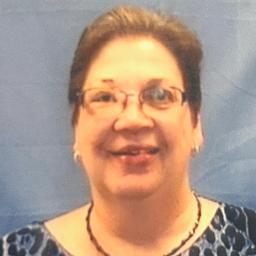
Wisconsin · 30 yrs exp
Experienced clinician supporting life transitions
Stress, Anxiety · Relationship · Grief · Depression
Read profile
United Kingdom · 9 yrs exp
Caring client-centred counsellor
Grief · Stress, Anxiety · Family · Self esteem · +2 more
Read profile
New York · 4 yrs exp
Compassionate counselor focused on practical change
Stress, Anxiety · Self esteem · Career · Coping with life changes · +1 more
Read profile
Illinois · 40 yrs exp
Experienced LCSW offering practical support
Relationship · Grief · Bipolar · Depression · +1 more
Read profile
New Jersey · 30 yrs exp
Experienced LCSW helping people regain direction
Addictions · Trauma and abuse · Grief · Anger · +1 more
Read profile
Missouri · 25 yrs exp
Experienced counselor focused on relationships and recovery
Addictions · Relationship · Family · Trauma and abuse · +1 more
Read profile
Oklahoma · 3 yrs exp
Compassionate counseling for loneliness and mood
Stress, Anxiety · Parenting · Self esteem · Depression
Read profileLiving with a long-term health condition often changes how you relate to other people and to your own routines. You may find yourself spending more time at home, needing different forms of care, or adjusting social plans because of fluctuations in energy and symptoms. Those shifts can leave you feeling cut off, less understood, or uncertain about how to maintain friendships, romantic relationships, or workplace connections. At the same time loneliness can appear without a clear external cause, and the experience of feeling alone is valid whether it follows illness or arises on its own.
The therapists listed on this page include those who note chronic illness and loneliness among their focus areas. That listing does not prove a causal link for every person, but it does reflect clinicians who state an interest in helping people navigate both practical and emotional questions that often arise. When you read profiles, look for language that speaks to managing daily routines, communicating needs to others, pacing activity, and rebuilding social confidence. Those elements tend to matter most when connection feels fragile.
Not So Alone groups profiles so you can compare how clinicians describe their work with loneliness alongside chronic illness. Some therapists frame their work around social reengagement, others emphasize coping strategies for fluctuating health, and some concentrate on existential or identity changes that follow a diagnosis. The directory’s emphasis on loneliness means you can expect to find clinicians who name social isolation and relationship changes as part of what they address, but individual approaches and scopes vary.
Online talk therapy can be a helpful way to access support when mobility, transportation, or symptom variability make in-person visits difficult, but it is not a social service or a befriending service. It is appropriate to expect therapeutic conversations, goal setting, and emotional support rather than friendship or ongoing social contact outside sessions. Before connecting, consider whether you prefer someone who focuses on pacing and symptom management, or someone who centers relationship repair and social skills - and look for profiles that mention the language you want to use when describing your experience.
When you contact a clinician after reviewing profiles, having concrete questions can help you find a better match. Ask whether they work with people who share your particular health context, whether they have experience supporting people through changes in daily routine, and how they talk about loneliness in sessions. Instead of asking about training claims, you can inquire which approaches they draw on and how those approaches look in practice. For example you might ask if they adapt cognitive-behavioural ideas to chronic fatigue, or how mindfulness or pacing strategies are integrated into sessions.
Because degrees and professional permissions differ, you can ask for clarification about credentials. A PhD, PsyD, MD, MA, or MSW indicates an academic degree and does not by itself verify current permission to practice. In the United States clinicians often hold licenses such as LCSW, LPC, LMFT or psychologist licensure. In the United Kingdom practitioners may list registration or membership with professional bodies, and in Australia clinicians may list registration or association membership. Request clear information about the therapist’s current status in their jurisdiction and how that relates to the scope of care they provide. Also ask whether they work with adults only or with couples, families, or young people, because a listed focus does not automatically mean they address every population.
Before beginning online sessions, it helps to cover practical and safety topics so you know what to expect. Confirm the therapist’s preferred session format and whether they use video, phone, or messaging, and discuss any accessibility needs related to hearing, vision, or energy levels. Ask how they handle situations when symptoms flare and you need adjustments to scheduling or session length. Discuss whether coordination with other health professionals is possible and how you would share relevant information such as medication changes or physical health updates, if you want them included in the work.
It is important to plan for crisis situations in advance. If you ever have thoughts of harming yourself, contact local emergency services and crisis lines right away. If you are in the United States call 988, in the United Kingdom contact Samaritans at 116 123, and in Australia call Lifeline at 13 11 14. Ask the therapist about what they expect you to do in a crisis and whether they have procedures for urgent concerns between sessions. Clarifying these points before you begin can reduce anxiety about gaps in support when you need it most.
When you scan profiles on this page, pay attention to the combination of focus areas, therapeutic approaches, languages spoken, listed location, and the tone of the clinician’s biography. Focus areas indicate what a clinician highlights in their practice but do not define the full extent of their work. Approaches are options to explore in conversation - for example you may see profiles that mention cognitive-behavioural strategies, acceptance-based ideas, narrative approaches, mindfulness, or pastoral and meaning-focused work. When an approach is listed it is an invitation to ask how it might be used in sessions for someone with chronic illness and loneliness.
Language access is a practical match criterion. If you would prefer therapy in a language other than English, look for that information on profiles and ask how language shapes the therapeutic process. Listed location can hint at time zones or the region the clinician refers to for in-person care, but remember that listed location does not necessarily mean an office address is provided. Compare the way therapists describe their work - some write in clinical terms, others in warm, everyday language - and consider which style would help you feel understood.
Finally, use concrete comparison questions when you reach out. Ask how they approach changing daily routines after a diagnosis, how they support rebuilding social confidence after periods of isolation, and how they measure progress in ways that matter to you. Ask about session structure, what homework or between-session activities they recommend, and how flexible they are with pacing on days when symptoms limit your energy. These specifics will help you evaluate profiles beyond general statements and identify clinicians whose practice aligns with your needs.
Finding someone who feels like a good match can take time and small steps. Use the profiles on this page to narrow possibilities, then approach conversations as mutual exploration about fit, approach, and practicalities. If you are in immediate danger or having thoughts of harming yourself, contact emergency services or a crisis line for urgent help - US 988, UK Samaritans 116 123, AU Lifeline 13 11 14.
Alabama
46 therapists
Alaska
5 therapists
Arizona
39 therapists
Arkansas
27 therapists
Australia
104 therapists
California
372 therapists
Colorado
58 therapists
Connecticut
39 therapists
Delaware
4 therapists
District of Columbia
7 therapists
Florida
197 therapists
Georgia
66 therapists
Hawaii
9 therapists
Idaho
10 therapists
Illinois
135 therapists
Indiana
58 therapists
Iowa
9 therapists
Kansas
32 therapists
Kentucky
41 therapists
Louisiana
49 therapists
Maine
10 therapists
Maryland
49 therapists
Massachusetts
60 therapists
Michigan
129 therapists
Minnesota
42 therapists
Mississippi
33 therapists
Missouri
59 therapists
Montana
11 therapists
Nebraska
14 therapists
Nevada
10 therapists
New Hampshire
8 therapists
New Jersey
88 therapists
New Mexico
11 therapists
New York
301 therapists
North Carolina
62 therapists
North Dakota
3 therapists
Ohio
99 therapists
Oklahoma
49 therapists
Oregon
14 therapists
Pennsylvania
120 therapists
Rhode Island
7 therapists
South Carolina
35 therapists
South Dakota
6 therapists
Tennessee
48 therapists
Texas
329 therapists
United Kingdom
704 therapists
Utah
24 therapists
Vermont
5 therapists
Virginia
56 therapists
Washington
44 therapists
West Virginia
5 therapists
Wisconsin
51 therapists
Wyoming
6 therapists