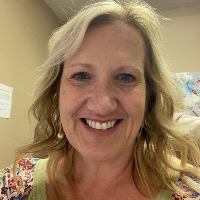
Marsha Nan Poland Cooper
LPCCKentucky · 9 yrs exp
Practical, goal-focused therapy with clear steps
Stress, Anxiety · Relationship · Self esteem · Depression · +6 more
Read profileTherapists in the United States, the United Kingdom and Australia
Need to talk to someone now?Therapist listings are provided by BetterHelp. We will earn a commission at no extra cost to you if you use our links to buy.
Use this page to compare profiles of professionals who list Codependency alongside additional focus areas like loneliness and connection. Look at listed location, credentials, languages, focus areas, and therapeutic approaches to find profiles that match your needs.
Browse the profiles below to begin exploring therapists who may help you navigate codependent patterns and the isolation that can accompany them.
Kentucky · 9 yrs exp
Practical, goal-focused therapy with clear steps
Stress, Anxiety · Relationship · Self esteem · Depression · +6 more
Read profile
United Kingdom · 11 yrs exp
Compassionate counsellor for life transitions
Stress, Anxiety · Relationship · Trauma and abuse · Self esteem · +11 more
Read profile
United Kingdom · 14 yrs exp
Warm, steady counsellor for relationship struggles
Relationship · Family · Intimacy-related issues · Coping with life changes · +10 more
Read profile
United Kingdom · 10 yrs exp
Calm practical counselling for everyday struggles
Stress, Anxiety · Addictions · Grief · Parenting · +4 more
Read profile
United Kingdom · 15 yrs exp
A warm, person-centred counsellor
Stress, Anxiety · Relationship · Family · Grief · +9 more
Read profile
United Kingdom · 11 yrs exp
A person-centred counsellor for people feeling stuck
Stress, Anxiety · Grief · Self esteem · Depression · +8 more
Read profile
United Kingdom · 4 yrs exp
Experienced person-centred counsellor for emotional life
Stress, Anxiety · Family · Grief · Self esteem · +11 more
Read profile
United Kingdom · 6 yrs exp
Compassionate counsellor for life changes
Stress, Anxiety · Relationship · Family · Grief · +3 more
Read profile
United Kingdom · 3 yrs exp
Experienced psychotherapeutic counsellor for life transitions
Stress, Anxiety · Relationship · Trauma and abuse · Grief · +6 more
Read profile
United Kingdom · 7 yrs exp
Calm, client-centred counselling for life changes
Stress, Anxiety · Relationship · Grief · Self esteem · +4 more
Read profile
United Kingdom · 6 yrs exp
A calm person-centred counsellor
Relationship · Grief · Self esteem · Depression · +5 more
Read profile
United Kingdom · 3 yrs exp
Calm, practical counselling for life changes
Stress, Anxiety · Relationship · Self esteem · Depression · +10 more
Read profile
United Kingdom · 9 yrs exp
Supportive counsellor focused on practical change
Stress, Anxiety · Relationship · Family · Trauma and abuse · +1 more
Read profile
Michigan · 25 yrs exp
Compassionate listener focused on practical change
Relationship · Family · Self esteem · Career · +6 more
Read profile
United Kingdom · 11 yrs exp
Experienced counsellor focused on practical support
Stress, Anxiety · Addictions · Relationship · Trauma and abuse · +1 more
Read profile
Oklahoma · 7 yrs exp
Connection-focused counselor who listens and guides
Stress, Anxiety · Addictions · Trauma and abuse · Anger · +2 more
Read profile
United Kingdom · 11 yrs exp
Empowering, person-centred counsellor in the UK
Stress, Anxiety · Relationship · Family · Self esteem · +8 more
Read profile
Illinois · 38 yrs exp
Practical guidance for loneliness and life stress
Stress, Anxiety · Addictions · Family · Bipolar · +10 more
Read profile
United Kingdom · 6 yrs exp
Compassionate counsellor for stress and loneliness
Stress, Anxiety · Relationship · Family · Trauma and abuse · +7 more
Read profile
United Kingdom · 20 yrs exp
Warm guide through loneliness and loss
Stress, Anxiety · Addictions · Relationship · Grief · +8 more
Read profile
United Kingdom · 5 yrs exp
Person-centred counsellor offering empathetic support
Stress, Anxiety · Relationship · Family · Coping with life changes · +6 more
Read profile
New York · 30 yrs exp
Experienced New York LCSW-R focused on connection
Stress, Anxiety · Relationship · Family · Grief · +1 more
Read profile
Arkansas · 28 yrs exp
Calm, practical therapy for life and relationships
Relationship · Grief · Anger · Self esteem · +6 more
Read profile
Indiana · 4 yrs exp
Accessible LCSW for everyday struggles
Stress, Anxiety · Trauma and abuse · Self esteem · Depression · +10 more
Read profileIf you are feeling lonely, disconnected, or exhausted by relationships that leave you drained, you are not at fault. Many people look for help with codependency because they want clearer boundaries, more satisfying connection, or to rebuild confidence after a breakup, loss, move, retirement, illness, or a long stretch of isolation. When you read profiles on this page, you will meet professionals who list Codependency among their focus areas and who often also list loneliness, isolation, or related concerns. That listing reflects what they say they work with; it does not guarantee a particular credential, method, or outcome.
As you explore, remember that seeking help is a step toward looking after yourself. You can use short conversations with a therapist to learn whether their approach fits how you prefer to work, whether you want practical skills for managing boundaries or a space to explore long-standing relational patterns. If you ever have thoughts of harming yourself or are in immediate danger, contact emergency services or crisis lines right away - in the US call 988, in the UK call Samaritans at 116 123, and in Australia call Lifeline at 13 11 14.
Codependency and loneliness can overlap in many ways, but one does not always cause the other. You might seek help for codependent patterns that leave you feeling isolated, or you might first notice loneliness that leads you to examine how you relate to others. This directory groups profiles where Codependency appears as a specialty or additional focus area and where loneliness or isolation is also listed among interests. That pairing can help you find professionals who are attentive to both relational dynamics and the experience of disconnection, but it does not prove any specific treatment outcome or training.
Because this site includes professionals in the United States, the United Kingdom, and Australia, you will see a range of ways people describe their work. Some profiles may highlight relational approaches, others may emphasize skills-based work or exploring family history and patterns. When a profile notes that a therapist lists a particular technique or approach, treat that as an invitation to ask about how they use it, rather than as proof of specialized certification. Use the profiles to identify practitioners whose descriptions feel relevant to your situation and whose phrasing about connection and loneliness resonates with you.
When you contact a therapist, it can help to prepare a few specific questions so you learn whether their style matches what you want. You might ask whether they have worked with people who describe problems similar to yours and ask them to describe what a few sessions might focus on. Asking, "How do you typically work with someone who says they struggle with codependent patterns?" invites a practical sense of how they would approach your goals. You can also ask, "Can you share examples of strategies or areas of focus you often use when loneliness is part of the picture?"
It is reasonable to ask about their experience with people from identities or life situations like yours. You might say, "Have you worked with clients who recently moved cities, experienced a breakup, or are navigating retirement?" If a profile lists particular approaches - for example, therapists who list cognitive-behavioral methods, psychodynamic perspectives, or EMDR among their approaches - you can request a brief explanation of how those approaches might be applied in the context of codependency and connection. Remember that a profile listing an approach does not mean every therapist uses it in the same way, and that a degree such as PhD, PsyD, MD, MA, or MSW indicates academic preparation but is not the same as a professional license or registration in a given country.
If you are considering working online, there are practical topics worth discussing before the first appointment so you feel prepared. You can ask how the therapist handles technology difficulties, what to expect if you need to reschedule, and what forms of communication they use outside session hours. It is important to clarify how emergency situations are addressed when you and the therapist are in different places, and to provide a local emergency contact or plan if that is requested. You can also talk about how they approach boundaries around relationships and contact outside sessions, and whether they offer guidance or referrals if you need additional social supports such as community groups or specialist services.
Make space to describe your goals and preferences - for example, whether you prefer more directive exercises or open conversation - and ask how you would measure progress together. If you have concerns about cultural fit, identity, or language, bring those up early so you can find a therapist who communicates in ways that work for you. Remember that online talk therapy is not a befriending service; it is a professional support focused on therapeutic goals. Discuss any limitations you need the therapist to respect so your time together feels manageable and supportive.
As you scan profiles, compare how therapists describe their focus areas and the language they use about connection and loneliness. Some profiles emphasize relationship skills and boundary work, others highlight recovery from enmeshment or long-term patterns originating in family dynamics. Look for profiles that specifically mention the issues most relevant to you, and notice whether they name particular populations or life stages they commonly work with. Keep in mind that listing Codependency does not automatically mean a therapist treats couples, children, or families; if that matters, ask directly.
Compare credentials by distinguishing between academic degrees and the professional permissions or memberships that allow practice in a jurisdiction. A profile that lists a degree such as PhD, PsyD, MD, MA, or MSW tells you about training, while a profile that also names a professional license, registration, or membership indicates how the clinician is recognized in their country. In the United States people often list state licenses, while in the United Kingdom and Australia you may see references to registration bodies or professional organizations. If languages are important to you, search profiles for the languages used in sessions and ask whether bilingual work is conducted in your preferred language.
Finally, notice stylistic cues in profiles - whether a therapist writes in warm, practical, exploratory, or more clinical language - and think about how that matches your comfort level. Some people prefer a therapist who outlines clear strategies and homework, while others want an exploratory space to reflect on relationship history. You can frame comparison questions as, "How would you describe your therapeutic style for someone dealing with codependent patterns and loneliness?" and, "What outcomes do you and your client typically focus on in the first three months?" Those concrete queries will help you decide which profiles to explore further and who to contact for an initial conversation.
Alabama
46 therapists
Alaska
5 therapists
Arizona
39 therapists
Arkansas
27 therapists
Australia
104 therapists
California
372 therapists
Colorado
58 therapists
Connecticut
39 therapists
Delaware
4 therapists
District of Columbia
7 therapists
Florida
197 therapists
Georgia
66 therapists
Hawaii
9 therapists
Idaho
10 therapists
Illinois
135 therapists
Indiana
58 therapists
Iowa
9 therapists
Kansas
32 therapists
Kentucky
41 therapists
Louisiana
49 therapists
Maine
10 therapists
Maryland
49 therapists
Massachusetts
60 therapists
Michigan
129 therapists
Minnesota
42 therapists
Mississippi
33 therapists
Missouri
59 therapists
Montana
11 therapists
Nebraska
14 therapists
Nevada
10 therapists
New Hampshire
8 therapists
New Jersey
88 therapists
New Mexico
11 therapists
New York
301 therapists
North Carolina
62 therapists
North Dakota
3 therapists
Ohio
99 therapists
Oklahoma
49 therapists
Oregon
14 therapists
Pennsylvania
120 therapists
Rhode Island
7 therapists
South Carolina
35 therapists
South Dakota
6 therapists
Tennessee
48 therapists
Texas
329 therapists
United Kingdom
704 therapists
Utah
24 therapists
Vermont
5 therapists
Virginia
56 therapists
Washington
44 therapists
West Virginia
5 therapists
Wisconsin
51 therapists
Wyoming
6 therapists