
Dr. Stella Diai
LPCNew Jersey · 5 yrs exp
Therapist who centers the client
Stress, Anxiety · Relationship · Family · Anger · +12 more
Read profileTherapists in the United States, the United Kingdom and Australia
Need to talk to someone now?Therapist listings are provided by BetterHelp. We will earn a commission at no extra cost to you if you use our links to buy.
Compare profiles of therapists who list Addictions alongside work with loneliness and connection. Use listed location, focus areas, approaches, languages, and credentials to find practitioners whose profile feels like a fit. Browse profiles below to begin exploring options.
New Jersey · 5 yrs exp
Therapist who centers the client
Stress, Anxiety · Relationship · Family · Anger · +12 more
Read profile
New York · 24 yrs exp
Therapist blending relational and skills-based care
Stress, Anxiety · Addictions · Family · Parenting · +9 more
Read profile
Georgia · 12 yrs exp
Compassionate counselor helping people find balance
Stress, Anxiety · Addictions · Trauma and abuse · Anger · +1 more
Read profile
New Mexico · 8 yrs exp
Therapist focused on practical connection
Stress, Anxiety · Relationship · Family · Trauma and abuse · +6 more
Read profile
Texas · 3 yrs exp
Counselor blending language and behavior work
Stress, Anxiety · Addictions · Relationship · Family · +5 more
Read profile
Illinois · 10 yrs exp
Strength-based LCSW helping people find hope
Stress, Anxiety · Trauma and abuse · Grief · Self esteem · +11 more
Read profile
Alabama · 17 yrs exp
Compassionate counselor focused on practical change
Stress, Anxiety · Addictions · Grief · Anger · +1 more
Read profile
Missouri · 22 yrs exp
Practical counseling for mood and connection
Stress, Anxiety · Addictions · Self esteem · Bipolar · +1 more
Read profile
Florida · 13 yrs exp
Practical support for stress and addiction recovery
Stress, Anxiety · Addictions · Relationship · Trauma and abuse · +1 more
Read profile
Massachusetts · 30 yrs exp
Thirty years helping people find connection
Stress, Anxiety · Addictions · Relationship · Trauma and abuse · +1 more
Read profile
Louisiana · 22 yrs exp
Helping people discover identity and purpose
Stress, Anxiety · Grief · Self esteem · Depression · +5 more
Read profile
Oklahoma · 30 yrs exp
Compassionate counselor focused on strengths
Stress, Anxiety · Family · Trauma and abuse · Grief · +6 more
Read profile
Florida · 18 yrs exp
Compassionate guidance for lasting change
Addictions · LGBT · Trauma and abuse · Eating
Read profile
California · 5 yrs exp
Practical support for isolation and stress
Stress, Anxiety · Addictions · Trauma and abuse · Self esteem · +12 more
Read profile
Michigan · 27 yrs exp
Compassionate social worker helping people move forward
Stress, Anxiety · Addictions · Trauma and abuse · Depression · +1 more
Read profile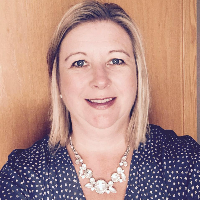
Minnesota · 3 yrs exp
Compassionate psychologist focused on practical change
Stress, Anxiety · Addictions · Relationship · Trauma and abuse · +8 more
Read profile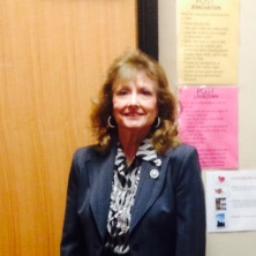
Texas · 24 yrs exp
Experienced counselor focused on practical support
Stress, Anxiety · Relationship · Family · Trauma and abuse · +2 more
Read profile
Florida · 30 yrs exp
Calm, practical therapy for everyday struggles
Stress, Anxiety · Addictions · Anger · Self esteem · +1 more
Read profile
New York · 8 yrs exp
Supportive LCSW focused on practical change
Stress, Anxiety · Addictions · Trauma and abuse · Anger · +1 more
Read profile
Michigan · 10 yrs exp
Helping people find steady steps forward
Stress, Anxiety · Relationship · Family · Trauma and abuse · +9 more
Read profile
Michigan · 35 yrs exp
Compassionate social worker with practical tools
Stress, Anxiety · Addictions · LGBT · Relationship · +11 more
Read profile
Oklahoma · 21 yrs exp
Compassionate counselor focused on practical support
Stress, Anxiety · Addictions · Grief · Self esteem · +10 more
Read profile
United Kingdom · 4 yrs exp
Therapeutic counselling for belonging and change
Stress, Anxiety · Family · Self esteem · Depression · +11 more
Read profile
Mississippi · 15 yrs exp
Compassionate LCSW offering practical therapy
Stress, Anxiety · Grief · Anger · Self esteem · +6 more
Read profileIf you are managing addictive behaviours and also feeling isolated, you are not alone in facing both concerns at once. Addiction can appear alongside changes in relationships, work, health, or routine, and loneliness can be a response to those same shifts. That said, one does not automatically cause the other. The therapists on this page are grouped because they list Addictions as a specialty or additional focus area; many of those same profiles also list Isolation / loneliness among their additional focus areas. That overlap signals common clinical interest, not a guarantee of a particular outcome or specialist certification.
When you look through profiles, you may notice therapists who describe working with substance use, behavioural patterns, or the social impacts of those patterns. You may also see clinicians who describe a focus on rebuilding routines, widening social networks, or exploring how relationships affect wellbeing. Thinking about how these concerns show up in your life can help you identify profiles that address both the practical behaviours you want to change and the emotional experience of feeling disconnected.
It helps to approach this process gently. You do not have to map every detail before reaching out. Profiles are a starting point to help you decide which questions to ask and which clinician statements resonate with your situation.
Profiles generally include a short summary of focus areas, approaches a clinician lists, languages spoken, and sometimes a listed location. Therapists may list named approaches such as cognitive behavioural therapy, motivational interviewing, family systems work, or trauma-informed care. When you encounter an approach name, read it as a descriptor rather than as proof of specific training. For example, you might see therapists who list EMDR among their approaches; that indicates interest in that method, not certification or a promise that every session will use it.
Degrees such as PhD, PsyD, MD, MA, and MSW tell you about academic training. A degree is distinct from professional permission to practise. In the United States many clinicians hold state licenses; in the United Kingdom and Australia clinicians may note professional registration or membership. Profiles do not automatically mean a clinician holds a particular type of registration unless they state that explicitly. Profiles may or may not include an office address or license number, so it is reasonable to ask about credentials directly if that information matters to you.
As you read, notice whether a clinician writes about working with co-occurring concerns like anxiety, depression, or trauma alongside addictions. Pay attention to the language they use - some describe a practical, skills-focused style while others emphasise exploration of meaning and relationships. That wording can help you anticipate whether their approach might feel right for you.
When a profile resonates, prepare a few concrete questions to learn how a clinician might work with your combination of needs. You might ask whether they regularly work with people who experience loneliness alongside substance use, and what kinds of goals they find helpful to set in the early weeks. Asking about experience with co-occurring mental health concerns can give you a clearer sense of fit. It is reasonable to ask which approaches they list on their profile and why they find those approaches useful for people facing addiction and social disconnection.
Questioning how they structure work can also be informative. You can ask what a typical conversation looks like, whether they focus on skills-building, relational patterns, or both, and how they involve practical planning for cravings or episodes of isolation. If you use medications, you can ask how they coordinate care with prescribers. If family or close friends are part of the picture, ask how they involve or support those relationships in therapy if relevant to your goals.
Concrete questions help you compare profiles on substance rather than impression alone. Consider asking clinicians to describe a recent kind of case they have worked with that overlaps with yours, without expecting details that identify other people. Clear, direct questions make it easier to match the tone and focus you want with a clinician’s stated practice style.
If you are considering online talk therapy, bring up certain practical and safety items before you begin. Discuss the technology and platforms you will use and what to do in case of connection problems. Make a plan for how you will handle moments when you feel at risk or very unwell; ask the clinician how they manage risk remotely and whether they have procedures to follow if you are in crisis. Keep in mind the difference between online therapy as clinical support and social services or befriending - online talk therapy is not a replacement for immediate local support or an ongoing community befriending service.
It is also important to confirm what the clinician lists on their profile in terms of listed location and regional practice. Licensing rules vary by jurisdiction. Some clinicians note a listed location and describe working across regions; others focus on a particular country or state. If you live in a different country from a clinician’s listed location, ask how that affects the way they practise with you. You can also ask what languages they conduct sessions in, how they manage scheduling across time zones, and what kind of written or audio resources they might share between sessions.
Finally, talk about boundaries around contact outside sessions. Clarify how to reach them in urgent situations and what to do for emergencies in your area. If you have immediate thoughts of harming yourself, contact local emergency services or crisis lines right away - in the United States call or text 988, in the United Kingdom contact Samaritans at 116 123, and in Australia call Lifeline at 13 11 14.
When you compare profiles, focus on concrete points that matter to you. Look for overlapping focus areas - such as Addictions and Isolation / loneliness - and read the clinician statements to see whether they emphasise practical coping skills, relational work, or identity and meaning. Check which languages a clinician lists if speaking in your preferred language matters. Note academic degrees and any mention of professional licenses or registrations, keeping in mind that a degree alone does not establish current permission to practise. In the United States you will commonly see reference to state licensure; in the UK and Australia you may see references to registration, membership, or professional bodies. Those terms describe different systems of oversight and should be discussed directly with the clinician if they are relevant to you.
Style matters as much as credentials. Some profiles will sound direct and goal-oriented, while others will emphasise empathy and exploration of relational patterns. Both styles can be helpful, depending on what you need. You might compare profiles by asking yourself which descriptions made you feel seen when you read them, which tone felt more inviting, and which approach aligns with the small steps you want to try first - whether that is stabilising routine, testing new social habits, or addressing urges and safety planning.
Use the listed location and profile language as a guide, not a final decision. Reach out with a short message that names one or two priorities and asks the clinician about their experience with similar concerns. That initial contact can give you a clearer sense of whether their style and focus will support the kind of connection and change you want to cultivate.
Beginning this search can feel overwhelming, especially when loneliness makes reaching out harder. Start with a small, practical step: pick one or two profiles that feel approachable and prepare a short note that describes your main concerns in a sentence or two. Mention whether Addictions and feelings of disconnection are both priorities and ask a couple of the concrete questions outlined earlier. You do not have to map your whole history in that first message.
When you begin a conversation with a clinician, you can set modest goals for the first few sessions - for example, building a routine that reduces risky moments, practising a specific coping skill, or identifying one relationship to strengthen. Small, manageable steps can build confidence and reduce the intensity of isolation. Therapy is a collaborative process; discussing how you want to proceed and what feels safe will help you shape a supportive working arrangement.
Remember that profiles are a starting place to explore options, not a guarantee of fit or outcome. If you ever feel at immediate risk of harm, reach out to local emergency services or crisis hotlines mentioned earlier. Otherwise, give yourself permission to take this process at your own pace, using profile details to ask targeted questions and find a clinician whose approach and style resonate with your needs for connection and recovery.
Alabama
46 therapists
Alaska
5 therapists
Arizona
39 therapists
Arkansas
27 therapists
Australia
104 therapists
California
372 therapists
Colorado
58 therapists
Connecticut
39 therapists
Delaware
4 therapists
District of Columbia
7 therapists
Florida
197 therapists
Georgia
66 therapists
Hawaii
9 therapists
Idaho
10 therapists
Illinois
135 therapists
Indiana
58 therapists
Iowa
9 therapists
Kansas
32 therapists
Kentucky
41 therapists
Louisiana
49 therapists
Maine
10 therapists
Maryland
49 therapists
Massachusetts
60 therapists
Michigan
129 therapists
Minnesota
42 therapists
Mississippi
33 therapists
Missouri
59 therapists
Montana
11 therapists
Nebraska
14 therapists
Nevada
10 therapists
New Hampshire
8 therapists
New Jersey
88 therapists
New Mexico
11 therapists
New York
301 therapists
North Carolina
62 therapists
North Dakota
3 therapists
Ohio
99 therapists
Oklahoma
49 therapists
Oregon
14 therapists
Pennsylvania
120 therapists
Rhode Island
7 therapists
South Carolina
35 therapists
South Dakota
6 therapists
Tennessee
48 therapists
Texas
329 therapists
United Kingdom
704 therapists
Utah
24 therapists
Vermont
5 therapists
Virginia
56 therapists
Washington
44 therapists
West Virginia
5 therapists
Wisconsin
51 therapists
Wyoming
6 therapists