
Dr. Stella Diai
LPCNew Jersey · 5 yrs exp
Therapist who centers the client
Stress, Anxiety · Relationship · Family · Anger · +12 more
Read profileTherapists in the United States, the United Kingdom and Australia
Need to talk to someone now?Therapist listings are provided by BetterHelp. We will earn a commission at no extra cost to you if you use our links to buy.
Use these profiles to compare therapists who list Family as a specialty and who also note isolation or loneliness among their focuses. Review listed location, approaches, languages, credentials and experience to find profiles that feel like a good fit - browse the listings below to get started.
New Jersey · 5 yrs exp
Therapist who centers the client
Stress, Anxiety · Relationship · Family · Anger · +12 more
Read profile
Illinois · 28 yrs exp
Compassionate counselor blending values and practical tools
Stress, Anxiety · Relationship · Grief · Self esteem · +8 more
Read profile
New York · 24 yrs exp
Therapist blending relational and skills-based care
Stress, Anxiety · Addictions · Family · Parenting · +9 more
Read profile
Louisiana · 25 yrs exp
Practical social work for stress and anxiety
Stress, Anxiety · Family · Anger · Self esteem · +1 more
Read profile
New Mexico · 8 yrs exp
Therapist focused on practical connection
Stress, Anxiety · Relationship · Family · Trauma and abuse · +6 more
Read profile
Texas · 3 yrs exp
Counselor blending language and behavior work
Stress, Anxiety · Addictions · Relationship · Family · +5 more
Read profile
Illinois · 10 yrs exp
Strength-based LCSW helping people find hope
Stress, Anxiety · Trauma and abuse · Grief · Self esteem · +11 more
Read profile
Nevada · 25 yrs exp
Experienced therapist focused on relationships and connection
Stress, Anxiety · Relationship · Family · Trauma and abuse · +1 more
Read profile
New York · 10 yrs exp
Compassionate counselor helping people find balance
Stress, Anxiety · Family · Intimacy-related issues · Parenting · +1 more
Read profile
Oklahoma · 30 yrs exp
Compassionate counselor focused on strengths
Stress, Anxiety · Family · Trauma and abuse · Grief · +6 more
Read profile
Illinois · 25 yrs exp
Experienced LCSW helping with stress and isolation
Stress, Anxiety · Family · Trauma and abuse · Grief · +1 more
Read profile
California · 5 yrs exp
Practical support for isolation and stress
Stress, Anxiety · Addictions · Trauma and abuse · Self esteem · +12 more
Read profile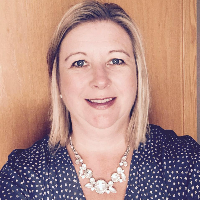
Minnesota · 3 yrs exp
Compassionate psychologist focused on practical change
Stress, Anxiety · Addictions · Relationship · Trauma and abuse · +8 more
Read profile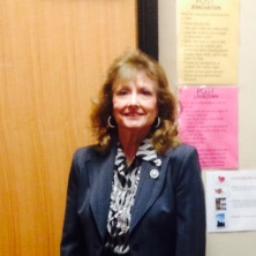
Texas · 24 yrs exp
Experienced counselor focused on practical support
Stress, Anxiety · Relationship · Family · Trauma and abuse · +2 more
Read profile
Arkansas · 8 yrs exp
Warm, practical counseling for life's hard moments
Stress, Anxiety · Family · Trauma and abuse · Parenting · +4 more
Read profile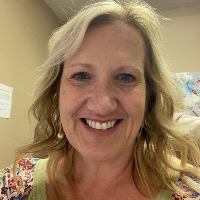
Kentucky · 9 yrs exp
Practical, goal-focused therapy with clear steps
Stress, Anxiety · Relationship · Self esteem · Depression · +6 more
Read profile
Michigan · 10 yrs exp
Helping people find steady steps forward
Stress, Anxiety · Relationship · Family · Trauma and abuse · +9 more
Read profile
United Kingdom · 8 yrs exp
Compassionate counsellor for isolation and anxiety
Stress, Anxiety · Trauma and abuse · Grief · Self esteem · +6 more
Read profile
United Kingdom · 8 yrs exp
Calm person-centred counselling for life changes
Stress, Anxiety · Relationship · Anger · Self esteem · +4 more
Read profile
Michigan · 35 yrs exp
Compassionate social worker with practical tools
Stress, Anxiety · Addictions · LGBT · Relationship · +11 more
Read profile
Maryland · 20 yrs exp
Kind, experienced Maryland LCSW-C
Stress, Anxiety · Relationship · Family · Grief · +1 more
Read profile
Oklahoma · 21 yrs exp
Compassionate counselor focused on practical support
Stress, Anxiety · Addictions · Grief · Self esteem · +10 more
Read profile
United Kingdom · 4 yrs exp
Therapeutic counselling for belonging and change
Stress, Anxiety · Family · Self esteem · Depression · +11 more
Read profile
Mississippi · 15 yrs exp
Compassionate LCSW offering practical therapy
Stress, Anxiety · Grief · Anger · Self esteem · +6 more
Read profileIf you are feeling alone or disconnected within a family context, you are not alone in wondering how relationships shape daily life and emotional wellbeing. Family can be a source of support and strain, and the ways people relate to parents, siblings, partners, grown children or extended relatives often affect your sense of belonging. You may have moved, lost someone, experienced estrangement, navigated caregiving responsibilities, or simply noticed that family ties do not match your needs. Those feelings can show up as a dull ache, sudden isolation, or a repeated pattern that leaves you wondering how to reconnect or set healthier boundaries.
On this page you will find profiles of therapists who list Family among their focus areas and who also include isolation or loneliness among their additional topics. Reading profiles can help you identify professionals who describe experience with family dynamics, intergenerational issues, grief, caregiving stress or communication challenges. Use those descriptions as starting points for conversations rather than as guarantees of a particular outcome. Your experience is personal, and a good match usually starts with a clear discussion about what you want to address and how you prefer to work.
Family-focused therapy often considers relationships, roles and patterns that have developed over time. When loneliness is part of the picture, some therapists who list Family also mention isolation among their additional areas of focus. That does not prove a causal link between family life and loneliness for any individual, but it does mean you can look for profiles that explicitly name both topics if that fits your situation. You might seek someone who describes working with family estrangement, blended families, caregiving transitions or loss - language that signals familiarity with the kinds of circumstances that can increase disconnection.
It is important to keep expectations realistic about what online talk therapy offers. Therapy is not a befriending service and it will not promise friendship or solve every interpersonal issue instantly. Instead, your therapist can help you explore patterns, process feelings and practice small steps toward connection and confidence. If you are feeling at immediate risk of harming yourself, contact emergency services in your area or a crisis line such as US 988, UK Samaritans 116 123, or AU Lifeline 13 11 14 right away. Discussing safety and crisis plans with a clinician is a key part of beginning care when serious distress is present.
When you look at a profile, consider questions you can bring into a first conversation. Ask whether the therapist has experience with the specific family situation you are facing - for example, long-term estrangement, high-conflict relations, blended family transitions, adult child-parent issues, caregiving for an ageing relative, or grief after loss. Ask how they describe their work with loneliness when it appears alongside family concerns. You might ask: Do they list family systems, attachment-based approaches, narrative work, cognitive-behavioral approaches or couples and family therapy among the approaches they use? Remember to phrase this as interest in what they list, not as a claim that all listed approaches are always used.
Also ask about the populations they mention on their profile. Does the therapist list work with adolescents, adults, older adults or multi-generational families? Which cultural, ethnic or faith contexts do they reference? Language matters when connection is part of the goal, so check whether profiles list practice languages and consider whether you prefer sessions in a particular language. Asking clear, concrete questions before you begin helps you understand whether a therapist’s focus areas and approach align with your needs.
Before beginning online sessions, talk about how remote work will fit your circumstances. Ask where the therapist is legally permitted to practice and whether that relates to your listed location, especially if you and the clinician are in different countries. In the US this often means a state license is required to offer care; in the UK or Australia you may see registration or membership with professional bodies mentioned on profiles. Degrees such as PhD, PsyD, MD, MA or MSW indicate academic qualifications but do not by themselves establish current permission to practice. It is reasonable to ask a clinician to describe any professional registration, license or membership they reference so you understand how their credentials apply to your situation.
Talk about practical expectations such as typical session length as a topic to discuss, how to handle missed sessions, and how technology will be used. Ask what privacy and communication practices they follow and how they recommend handling interruptions or emergencies while you are in a remote session. Remember that online talk therapy is not a replacement for social services or befriending programs. It is a space for therapeutic exploration and skill-building. If maintaining safety is a concern, ask the therapist about their approach to crisis planning and what steps they suggest if you are in urgent danger.
Comparing profiles is about matching practical details and interpersonal style. Read how a clinician describes their areas of focus and which family-related concerns they name. Look for profiles that mention both Family and isolation or loneliness if those topics are central to your reasons for seeking care. Compare the approaches they list - you may see therapists who list family systems, attachment-informed work, cognitive-behavioral strategies, trauma-informed language, narrative or developmental perspectives. Keep in mind that a profile listing an approach is not the same as verified training; it simply indicates that the therapist lists that approach among those they use.
Pay attention to credentials as they appear on profiles. Degrees such as PhD, PsyD, MD, MA or MSW describe academic or clinical training. Licensing and registration language varies by country: in the US you may see state license types noted, while in the UK and Australia clinicians may refer to registration or membership with relevant professional bodies. Profiles often list a registered or listed location and the languages a therapist uses for work. Language ability can be especially important when family roles and cultural expectations are part of what you want to explore. Finally, read the tone of a profile to get a sense of style - some clinicians write in a practical, step-focused way while others emphasize reflection and collaborative exploration. Think about which style feels more likely to help you take the small, sustainable steps toward connection and confidence that you want.
When you feel ready, use the profile information to reach out for an initial conversation and bring the questions you prepared. A first conversation is an opportunity to see how a clinician responds to your main concerns and whether their focus areas, language skills and professional credentials match what you need. Keep in mind that progress in addressing loneliness and family-related concerns often comes from small, consistent efforts - building routine, practicing new ways of communicating and experimenting with gradual changes in behavior and boundaries. Therapy can guide that process, but it is a collaborative journey rather than a quick fix.
If you are experiencing thoughts of harming yourself or someone else, contact emergency services immediately or a crisis line such as US 988, UK Samaritans 116 123, or AU Lifeline 13 11 14. Otherwise, take your time as you compare profiles and reach out to clinicians whose descriptions feel like a potential match. Browsing profiles is a practical first step toward finding a therapist who understands the intersections of family life, loneliness and connection and who can help you explore options for change in a way that respects your goals and context.
Alabama
46 therapists
Alaska
5 therapists
Arizona
39 therapists
Arkansas
27 therapists
Australia
104 therapists
California
372 therapists
Colorado
58 therapists
Connecticut
39 therapists
Delaware
4 therapists
District of Columbia
7 therapists
Florida
197 therapists
Georgia
66 therapists
Hawaii
9 therapists
Idaho
10 therapists
Illinois
135 therapists
Indiana
58 therapists
Iowa
9 therapists
Kansas
32 therapists
Kentucky
41 therapists
Louisiana
49 therapists
Maine
10 therapists
Maryland
49 therapists
Massachusetts
60 therapists
Michigan
129 therapists
Minnesota
42 therapists
Mississippi
33 therapists
Missouri
59 therapists
Montana
11 therapists
Nebraska
14 therapists
Nevada
10 therapists
New Hampshire
8 therapists
New Jersey
88 therapists
New Mexico
11 therapists
New York
301 therapists
North Carolina
62 therapists
North Dakota
3 therapists
Ohio
99 therapists
Oklahoma
49 therapists
Oregon
14 therapists
Pennsylvania
120 therapists
Rhode Island
7 therapists
South Carolina
35 therapists
South Dakota
6 therapists
Tennessee
48 therapists
Texas
329 therapists
United Kingdom
704 therapists
Utah
24 therapists
Vermont
5 therapists
Virginia
56 therapists
Washington
44 therapists
West Virginia
5 therapists
Wisconsin
51 therapists
Wyoming
6 therapists