
Jewel Kristine (Kristy) Hemmele
LCPCIllinois · 28 yrs exp
Compassionate counselor blending values and practical tools
Stress, Anxiety · Relationship · Grief · Self esteem · +8 more
Read profileTherapists in the United States, the United Kingdom and Australia
Need to talk to someone now?Therapist listings are provided by BetterHelp. We will earn a commission at no extra cost to you if you use our links to buy.
Compare profiles of therapists who list Separation as a focus alongside work with loneliness and connection. Use listed location, approaches, languages and credentials to find practitioners whose style matches what you need.
Illinois · 28 yrs exp
Compassionate counselor blending values and practical tools
Stress, Anxiety · Relationship · Grief · Self esteem · +8 more
Read profile
Louisiana · 15 yrs exp
Compassionate counselor for life transitions
Stress, Anxiety · Trauma and abuse · Grief · Self esteem · +1 more
Read profile
Texas · 10 yrs exp
Compassionate, practical support for life changes
Stress, Anxiety · Grief · Depression · Coping with life changes
Read profile
Texas · 3 yrs exp
Counselor blending language and behavior work
Stress, Anxiety · Addictions · Relationship · Family · +5 more
Read profile
Florida · 20 yrs exp
Practical therapy for stress and relationships
Stress, Anxiety · Trauma and abuse · Anger · Self esteem · +1 more
Read profile
Nevada · 25 yrs exp
Experienced therapist focused on relationships and connection
Stress, Anxiety · Relationship · Family · Trauma and abuse · +1 more
Read profile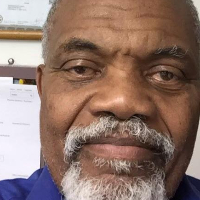
Illinois · 39 yrs exp
Supportive LCSW focused on everyday coping
Stress, Anxiety · Relationship · Grief · Sleeping · +1 more
Read profile
Massachusetts · 30 yrs exp
Thirty years helping people find connection
Stress, Anxiety · Addictions · Relationship · Trauma and abuse · +1 more
Read profile
Ohio · 25 yrs exp
Experienced counselor for practical change
Stress, Anxiety · Relationship · Self esteem · Depression · +1 more
Read profile
Michigan · 20 yrs exp
Compassionate social worker for adults
Stress, Anxiety · Trauma and abuse · Grief · Depression · +1 more
Read profile
South Dakota · 8 yrs exp
Practical support for stress and life change
Stress, Anxiety · Relationship · Trauma and abuse · Career · +1 more
Read profile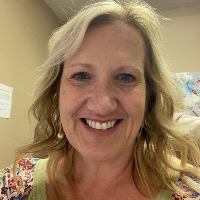
Kentucky · 9 yrs exp
Practical, goal-focused therapy with clear steps
Stress, Anxiety · Relationship · Self esteem · Depression · +6 more
Read profile
Michigan · 35 yrs exp
Compassionate social worker with practical tools
Stress, Anxiety · Addictions · LGBT · Relationship · +11 more
Read profile
North Dakota · 31 yrs exp
Compassionate LCSW with decades of experience
Stress, Anxiety · Relationship · Trauma and abuse · Grief · +1 more
Read profile
United Kingdom · 4 yrs exp
Therapeutic counselling for belonging and change
Stress, Anxiety · Family · Self esteem · Depression · +11 more
Read profile
United Kingdom · 15 yrs exp
Kind, client-centred counselling for life changes
Stress, Anxiety · Relationship · Trauma and abuse · Depression · +1 more
Read profile
United Kingdom · 15 yrs exp
A warm, person-centred counsellor
Stress, Anxiety · Relationship · Family · Grief · +9 more
Read profile
United Kingdom · 11 yrs exp
A person-centred counsellor for people feeling stuck
Stress, Anxiety · Grief · Self esteem · Depression · +8 more
Read profile
United Kingdom · 14 yrs exp
Existential counsellor helping people reconnect
Stress, Anxiety · Trauma and abuse · Grief · Eating · +14 more
Read profile
Florida · 25 yrs exp
Experienced counselor for life transitions
Stress, Anxiety · Addictions · Relationship · Depression · +1 more
Read profile
United Kingdom · 3 yrs exp
Understanding, practical, client-led counselling
Relationship · Family · Grief · Self esteem · +1 more
Read profile
New Jersey · 25 yrs exp
Calm, practical support for life changes
Relationship · Trauma and abuse · Self esteem · Depression · +1 more
Read profile
United Kingdom · 7 yrs exp
Supportive counsellor helping people through life changes
Stress, Anxiety · Trauma and abuse · Grief · Self esteem · +1 more
Read profile
United Kingdom · 3 yrs exp
Experienced psychotherapeutic counsellor for life transitions
Stress, Anxiety · Relationship · Trauma and abuse · Grief · +6 more
Read profileSeparation can arrive in many forms - the end of a relationship, the loss of a partner through death, a move that leaves you distanced from familiar people, or the slow drifting that can happen after big life changes. When you are coping with separation you may notice loneliness, lowered confidence, disrupted routines, or a sense of being disconnected from others. Those responses are common and they do not mean something is wrong with you. They are signals that your social needs or your sense of identity are being tested, and you may benefit from talking with a professional who lists separation among their focus areas.
If you are feeling lonely or isolated after separation, you might also be navigating practical shifts - changes to family roles, financial stress, or new caregiving responsibilities. These pressures can make it harder to find the energy or time to build new connections. When you look at profiles on this page consider the kinds of separation you relate to. Some therapists describe experience with divorce and relationship endings, others highlight bereavement or relocation, and some list separation alongside retirement or health-related transitions. These distinctions can help you narrow profiles that reflect the scenarios you are facing, while remembering that a listed focus is not a promise of a specific outcome.
On this site you will find many practitioners who list both Separation and loneliness among their areas of focus. That overlap does not mean separation always causes loneliness, nor that every case of separation will require the same kind of support. People come to therapy for separation for different reasons - to process grief, to rebuild social networks, to adjust parenting arrangements, or to reassess identity and future goals. You can use the directory to explore how therapists frame separation in the context of connection, and to decide which descriptions resonate with your experience.
When comparing profiles notice how the therapist talks about connection. Do they emphasise gradual rebuilding of social rhythms, strengthening communication skills, or exploring meaning after loss? Some profiles may highlight work with isolation and social anxiety alongside separation, while others frame the concern as primarily emotional processing. These are informative distinctions because they point to the kinds of conversations you might have in sessions. Keep in mind that a therapist listing a topic is an indication of interest, not a guarantee of scope, so it is helpful to raise your specific circumstances when you contact them.
Before you initiate contact, it helps to know what you want to learn from a conversation. Concrete questions keep the exchange focused and respectful of both your time and the clinician's. You might ask how they typically work with people affected by separation, whether they have experience with the particular type of separation you are facing, and what kinds of goals they help clients set. Ask whether they list particular approaches and how those approaches are applied to separation; for example, some profiles list cognitive behavioral approaches, some note psychodynamic perspectives, and others list EMDR among their approaches. Remember that mentioning an approach in a profile does not prove training or certification - it is a starting point for discussion.
Ask about the populations they regularly work with. A listed topic does not establish that a therapist treats children, couples, or families, so if your concerns involve other people, clarify scope early. If cultural background, gender identity or life stage matters to you, ask whether they have experience with similar identities and whether they offer sessions in your preferred language. Practical questions about session length, how they structure early meetings, and what they consider helpful early steps can give you a clearer sense of whether their style feels like a fit.
If you plan to connect remotely, it is important to cover a few practical and safety-related items before you begin. Confirm the therapist's stated service area and whether their listed location aligns with where you are legally based, since rules about practice can vary across regions. Ask how they handle situations that require urgent attention, and what local emergency resources they suggest. If you are experiencing thoughts of harming yourself, please contact emergency services immediately or a crisis line - in the United States call 988, in the United Kingdom contact Samaritans at 116 123, and in Australia call Lifeline at 13 11 14. Online talk therapy is a clinical conversation and not a social service or befriending service, so it is important to understand how emergencies would be handled.
Talk about the technical setup you prefer, whether video, phone or messaging is offered, and any privacy considerations you want to raise about your environment. You might want to discuss session structure - how the therapist typically opens the first few meetings and how you will review progress - and whether they work collaboratively on practical steps like rebuilding routines or strengthening social connections. If you have concerns about session content or need accommodations for hearing or language, it is appropriate to bring these up in advance so you can make an informed choice.
When you compare profiles on this page, pay attention to a combination of factors rather than a single label. Focus areas tell you what topics a clinician is interested in working on; some will list Separation alongside bereavement or relocation, while others place greater emphasis on loneliness and social connection. Languages listed on a profile can make a big difference if you feel more comfortable speaking in a particular tongue. Credentials are useful to note but they mean different things: academic degrees such as PhD, PsyD, MD, MA and MSW indicate educational background, while permission to practise in the United States is usually a state license and in the United Kingdom or Australia a registration or membership with a national professional body. A degree alone does not establish current permission to practice, so if registration or licensure matters to you, ask about that directly.
Style and interpersonal fit are often the most decisive elements. Some profiles give a sense of a relational, reflective approach, while others emphasize skill-building and practical strategies to rebuild routines and social networks. Look at how therapists describe what it is like to work with them and which populations they say they typically see. If you prefer brief, action-oriented conversations, search for descriptions that reference goal-focused work. If you are seeking space to process emotion and meaning, look for profiles that mention exploration and narrative. Comparing profiles by these combined features helps you form a shortlist of practitioners whose profiles invite further dialogue.
Remember that the profiles are a starting point for conversation. You are encouraged to reach out with the specific questions that matter to you, to discuss scope and scope limits, and to clarify any professional credentials or languages listed. If you have urgent safety concerns, contact local emergency services or the crisis lines mentioned above. This directory is intended to help you explore options and take small steps toward connection, whether you are rebuilding routines, strengthening confidence or simply looking for someone to talk with about separation and the loneliness that can follow.
Alabama
46 therapists
Alaska
5 therapists
Arizona
39 therapists
Arkansas
27 therapists
Australia
104 therapists
California
372 therapists
Colorado
58 therapists
Connecticut
39 therapists
Delaware
4 therapists
District of Columbia
7 therapists
Florida
197 therapists
Georgia
66 therapists
Hawaii
9 therapists
Idaho
10 therapists
Illinois
135 therapists
Indiana
58 therapists
Iowa
9 therapists
Kansas
32 therapists
Kentucky
41 therapists
Louisiana
49 therapists
Maine
10 therapists
Maryland
49 therapists
Massachusetts
60 therapists
Michigan
129 therapists
Minnesota
42 therapists
Mississippi
33 therapists
Missouri
59 therapists
Montana
11 therapists
Nebraska
14 therapists
Nevada
10 therapists
New Hampshire
8 therapists
New Jersey
88 therapists
New Mexico
11 therapists
New York
301 therapists
North Carolina
62 therapists
North Dakota
3 therapists
Ohio
99 therapists
Oklahoma
49 therapists
Oregon
14 therapists
Pennsylvania
120 therapists
Rhode Island
7 therapists
South Carolina
35 therapists
South Dakota
6 therapists
Tennessee
48 therapists
Texas
329 therapists
United Kingdom
704 therapists
Utah
24 therapists
Vermont
5 therapists
Virginia
56 therapists
Washington
44 therapists
West Virginia
5 therapists
Wisconsin
51 therapists
Wyoming
6 therapists